
 17 Oct 2026









Head of Muslims of the Caucasus Refuses to Meet Catholicos of All Armenians: A Political-Religious Signal Amid Regional Tensions
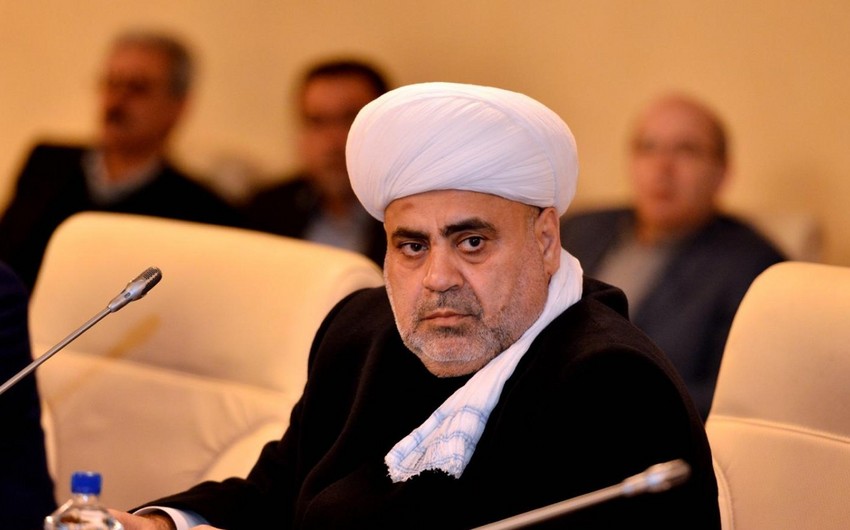
On June 6, 2025, the Chairman of the Caucasus Muslims Board, Sheikh Allahshukur Pashazade, announced that he does not intend to meet with the Catholicos of All Armenians, Karekin II, despite repeated proposals from the Armenian Apostolic Church.
The statement came amid escalating tensions between Armenia and Azerbaijan, particularly concerning cultural and religious heritage in Nagorno-Karabakh. According to Pashazade, “a meeting with the Catholicos under the current conditions would be inappropriate and premature,” as dialogue is only possible after achieving lasting peace and mutual respect between the sides.
It should be noted that the Armenian side had previously proposed holding an interfaith dialogue as a means of reconciliation and humanitarian engagement. Pashazade had participated in similar meetings in the past, including under the mediation of Russia and international religious organizations. However, since 2023, such contacts have been frozen. Catholicos Karekin II has repeatedly emphasized the importance of spiritual communication between confessions in the region and expressed hope for "peace among nations, based on Christian and Islamic values."
Possible reasons for refusal include:
- Political pressure from Azerbaijan, especially in light of the ongoing conflict and issues concerning cultural heritage in Nagorno-Karabakh;
- A strict stance by Baku on any contacts with Yerevan outside the official political agenda;
- Fear of internal criticism — such gestures could be perceived as concessions within the Azerbaijani Muslim community.
There has been no official comment so far, but sources close to the Mother See of Holy Etchmiadzin expressed regret over the refusal and stated that “the door for dialogue remains open.”
Pashazade’s refusal highlights how even religious diplomacy in the region remains hostage to geopolitical confrontation. It underscores the depth of the divisions and how difficult achieving sustainable peace is without the involvement of all parties — including religious institutions.


 Latest news
Latest news
Latest newsBulgaria Asks NATO to Strengthen Its Defences Amid Black Sea Threats: Sofia Fears Growing Risks to Maritime Shipping
16.Oct.2026
Black Sea Shipping Risks Threaten Bulgaria’s 5 Million Tonnes of Wheat Exports
15.Oct.2026
Georgia’s Foreign Funding and Political Ban Laws Draw Criticism from the Venice Commission
15.Oct.2026
Kazakhstan Promotes a Caspian Green Energy Corridor: Astana Seeks New Routes to the European Market
14.Oct.2026
Inflation in Romania Accelerates to 6.61%: Rising Prices Increase Pressure on Households and the Economy
13.Oct.2026
Can Europe Protect the International Criminal Court from Trump’s Sanctions?
13.Oct.2026
Georgia’s Constitutional Court Continues Case on Banning Opposition Parties: Political Pluralism at Stake
12.Oct.2026
Azerbaijan and Iran Step Up Security Contacts Amid Hijab Protests
12.Oct.2026
Personnel Shortages Complicate Ukrainian Forces’ Rotation: Ukraine Faces Long-Term Challenges on the Front Line
11.Oct.2026
Trump Eases Sanctions on Russian Fuel After Talks with Putin: Kyiv Fears Boost to Moscow’s War Revenues
10.Oct.2026
Putin Seeks to Strengthen Russia’s Influence in the Post-Soviet Space Through the CIS
10.Oct.2026
Russia and the South Caucasus: External Pressure, Political Competition and a Crisis of Trust
10.Oct.2026
Peaceful Settlement Between Armenia and Azerbaijan: Moving from Declarations to Implementation
10.Oct.2026
Moldova Ready to Accept as Many Ukrainians as Necessary if Situation Worsens This Winter
09.Oct.2026
Turkmenistan Turns Avaza into a Regional Diplomatic Hub as Caspian, Central Asian and CIS Agendas Converge
08.Oct.2026