
 17 Oct 2026









Bulgaria on the Brink of Euro Adoption
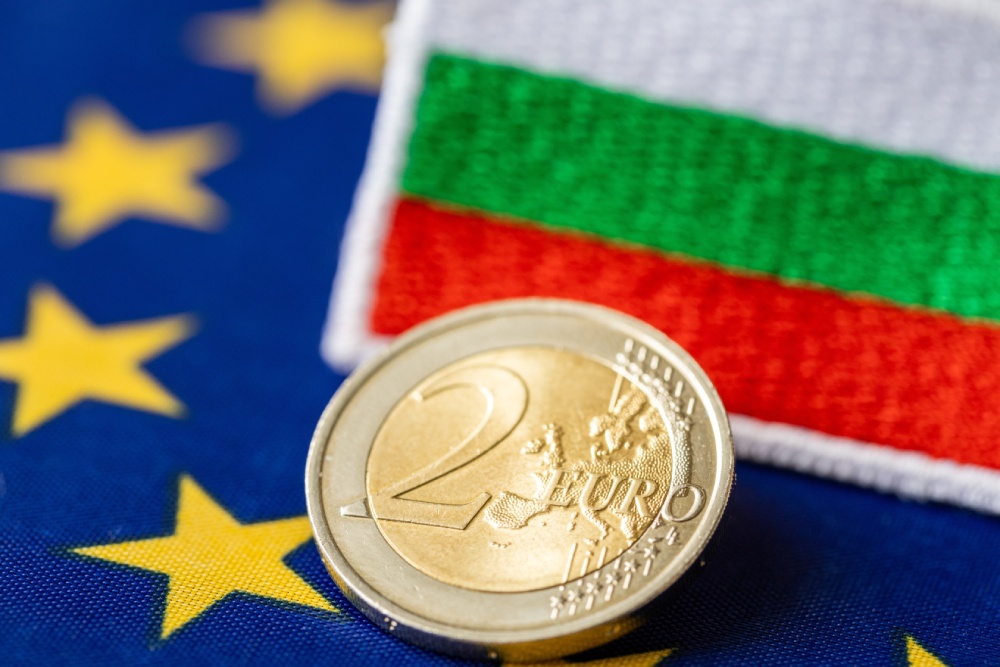
On June 3, 2025, it became known that Bulgaria has nearly completed its
preparations to join the Eurozone. According to sources in Brussels, the
European Commission is expected to publish a positive report on June 4
confirming that the country meets all necessary criteria: inflation has decreased
to 2.8%, the budget deficit is maintained at 3%, and public debt stands at
about 25% of GDP — one of the lowest levels in the EU.
Since
1999, the Bulgarian lev has been pegged to the euro, and since 2020, the
country has participated in the ERM II mechanism (the precursor to euro
adoption), making the transition technically predictable and long planned. The
official adoption of the euro is expected to take place on January 1, 2026.
The decision to adopt the euro
is not only economic but also political. For Bulgaria, joining the Eurozone
could mean enhanced financial stability, increased investor confidence, and
deeper integration into the core of the EU. However, the success of the
transition will depend on the government's ability to communicate the benefits
to the public and to minimize potential risks.


 Latest news
Latest news
Latest newsBulgaria Asks NATO to Strengthen Its Defences Amid Black Sea Threats: Sofia Fears Growing Risks to Maritime Shipping
16.Oct.2026
Black Sea Shipping Risks Threaten Bulgaria’s 5 Million Tonnes of Wheat Exports
15.Oct.2026
Georgia’s Foreign Funding and Political Ban Laws Draw Criticism from the Venice Commission
15.Oct.2026
Kazakhstan Promotes a Caspian Green Energy Corridor: Astana Seeks New Routes to the European Market
14.Oct.2026
Inflation in Romania Accelerates to 6.61%: Rising Prices Increase Pressure on Households and the Economy
13.Oct.2026
Can Europe Protect the International Criminal Court from Trump’s Sanctions?
13.Oct.2026
Georgia’s Constitutional Court Continues Case on Banning Opposition Parties: Political Pluralism at Stake
12.Oct.2026
Azerbaijan and Iran Step Up Security Contacts Amid Hijab Protests
12.Oct.2026
Personnel Shortages Complicate Ukrainian Forces’ Rotation: Ukraine Faces Long-Term Challenges on the Front Line
11.Oct.2026
Trump Eases Sanctions on Russian Fuel After Talks with Putin: Kyiv Fears Boost to Moscow’s War Revenues
10.Oct.2026
Putin Seeks to Strengthen Russia’s Influence in the Post-Soviet Space Through the CIS
10.Oct.2026
Russia and the South Caucasus: External Pressure, Political Competition and a Crisis of Trust
10.Oct.2026
Peaceful Settlement Between Armenia and Azerbaijan: Moving from Declarations to Implementation
10.Oct.2026
Moldova Ready to Accept as Many Ukrainians as Necessary if Situation Worsens This Winter
09.Oct.2026
Turkmenistan Turns Avaza into a Regional Diplomatic Hub as Caspian, Central Asian and CIS Agendas Converge
08.Oct.2026