
 17 Oct 2026









SBU and AFU Conduct Major Special Operation Against Russian Airfields
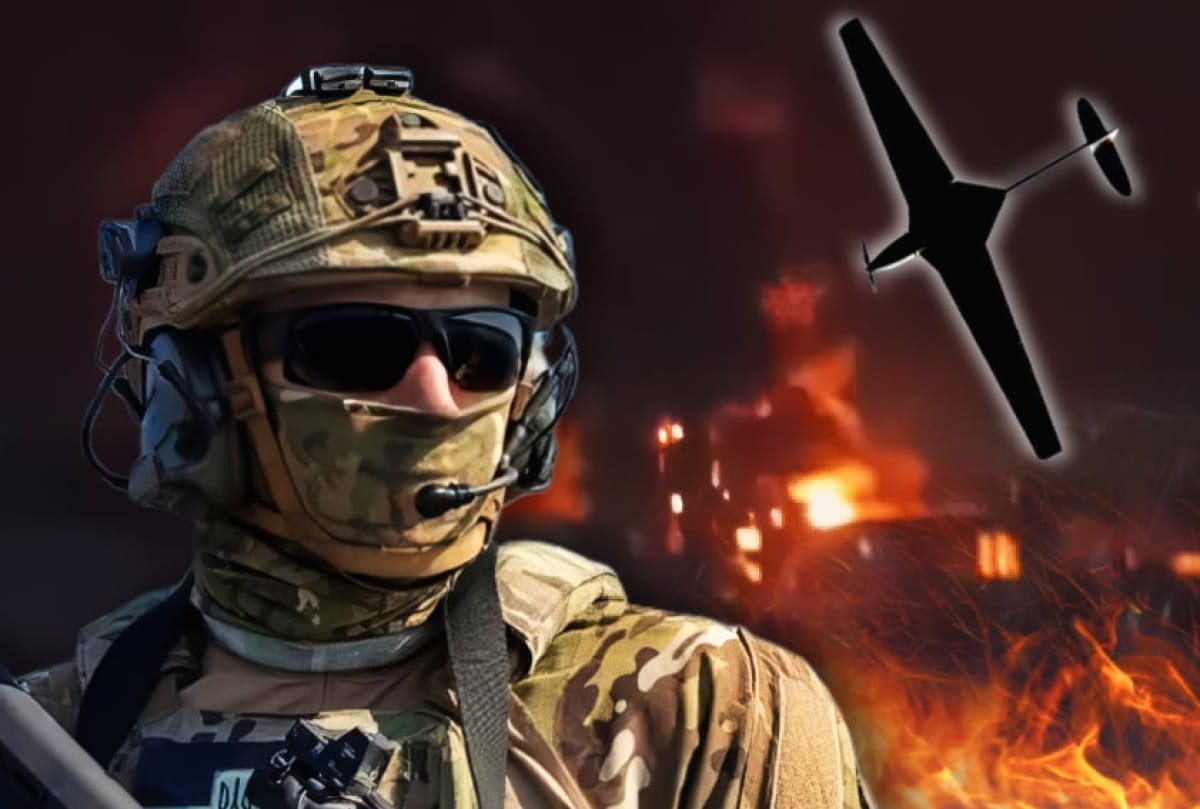
At the end of May 2025, the Security Service of Ukraine (SBU) and the Armed Forces of Ukraine (AFU) carried out one of the most large-scale joint special operations since the beginning of the full-scale war. According to sources within Ukrainian security structures, the targets of the operation were major Russian military airfields located on Russian territory.
A key feature of the attack was the use of drones disguised in cargo trucks, which were launched near the border and penetrated deep into Russian territory. This approach allowed them to get close to airfields without being detected by air defense systems.
As a result of the strikes, over 40 aircraft were damaged, including fighter jets and ground-attack aircraft, as well as ground infrastructure — hangars, radar systems, and command centers.
The Ukrainian side views the operation as a successful example of hybrid warfare, combining precision strikes, camouflage, and technological superiority. It also signals Ukraine’s growing capability to conduct operations not only at the front lines, but also deep within enemy territory.
The Russian side has not officially confirmed the scale of the destruction. However, numerous reports on social media and in the blogosphere described explosions, evacuations, and damage to equipment at multiple military facilities. Russia’s Ministry of Defense only stated that it had “repelled drone attacks,” possibly indicating an attempt to minimize reputational damage.
This operation marks a turning point in the tactics of the Ukrainian Defense Forces. While previous strikes on Russian territory were mostly sporadic (such as attacks in Belgorod or Crimea), Ukraine has now demonstrated the ability to coordinate complex operations involving cyber, intelligence, and drone warfare.
Moreover, the attack highlights a key vulnerability of the Russian military — unprotected logistics and airfield security, particularly deep inside the country, where air defense coverage tends to be weaker.
It’s also worth noting that the use of truck-launched drones is a technological innovation that enables covert travel over hundreds of kilometers. This may suggest the involvement of Western technologies or developments from Ukraine’s own defense industry.


 Latest news
Latest news
Latest newsBulgaria Asks NATO to Strengthen Its Defences Amid Black Sea Threats: Sofia Fears Growing Risks to Maritime Shipping
16.Oct.2026
Black Sea Shipping Risks Threaten Bulgaria’s 5 Million Tonnes of Wheat Exports
15.Oct.2026
Georgia’s Foreign Funding and Political Ban Laws Draw Criticism from the Venice Commission
15.Oct.2026
Kazakhstan Promotes a Caspian Green Energy Corridor: Astana Seeks New Routes to the European Market
14.Oct.2026
Inflation in Romania Accelerates to 6.61%: Rising Prices Increase Pressure on Households and the Economy
13.Oct.2026
Can Europe Protect the International Criminal Court from Trump’s Sanctions?
13.Oct.2026
Georgia’s Constitutional Court Continues Case on Banning Opposition Parties: Political Pluralism at Stake
12.Oct.2026
Azerbaijan and Iran Step Up Security Contacts Amid Hijab Protests
12.Oct.2026
Personnel Shortages Complicate Ukrainian Forces’ Rotation: Ukraine Faces Long-Term Challenges on the Front Line
11.Oct.2026
Trump Eases Sanctions on Russian Fuel After Talks with Putin: Kyiv Fears Boost to Moscow’s War Revenues
10.Oct.2026
Putin Seeks to Strengthen Russia’s Influence in the Post-Soviet Space Through the CIS
10.Oct.2026
Russia and the South Caucasus: External Pressure, Political Competition and a Crisis of Trust
10.Oct.2026
Peaceful Settlement Between Armenia and Azerbaijan: Moving from Declarations to Implementation
10.Oct.2026
Moldova Ready to Accept as Many Ukrainians as Necessary if Situation Worsens This Winter
09.Oct.2026
Turkmenistan Turns Avaza into a Regional Diplomatic Hub as Caspian, Central Asian and CIS Agendas Converge
08.Oct.2026