
 17 Oct 2026









Explosions in Stavropol and Drone Attacks on Moscow: Tensions Escalate
On
May 28, 2025, Russia faced two alarming incidents that caused public concern
and heightened tensions across the country. In Stavropol, a powerful explosion
killed the city’s deputy mayor, while another wave of Ukrainian drone attacks was
reported over the skies of Moscow.
On Tuesday morning, a powerful blast occurred in the
administrative building of the Stavropol city hall. According to preliminary
reports, an explosive device had been planted in an official vehicle. As a
result of the incident, the deputy mayor in charge of public utilities was
killed—his name has not yet been officially disclosed. Two other city hall
employees sustained varying degrees of injuries.
Eyewitnesses reported that the blast wave shattered windows
in nearby buildings, and an immediate evacuation of personnel began at the
scene. Security forces cordoned off the area, while bomb disposal experts and
investigators went to work. According to information circulating in Telegram
channels, several theories are being considered, including a terrorist act and
a targeted assassination of the official.
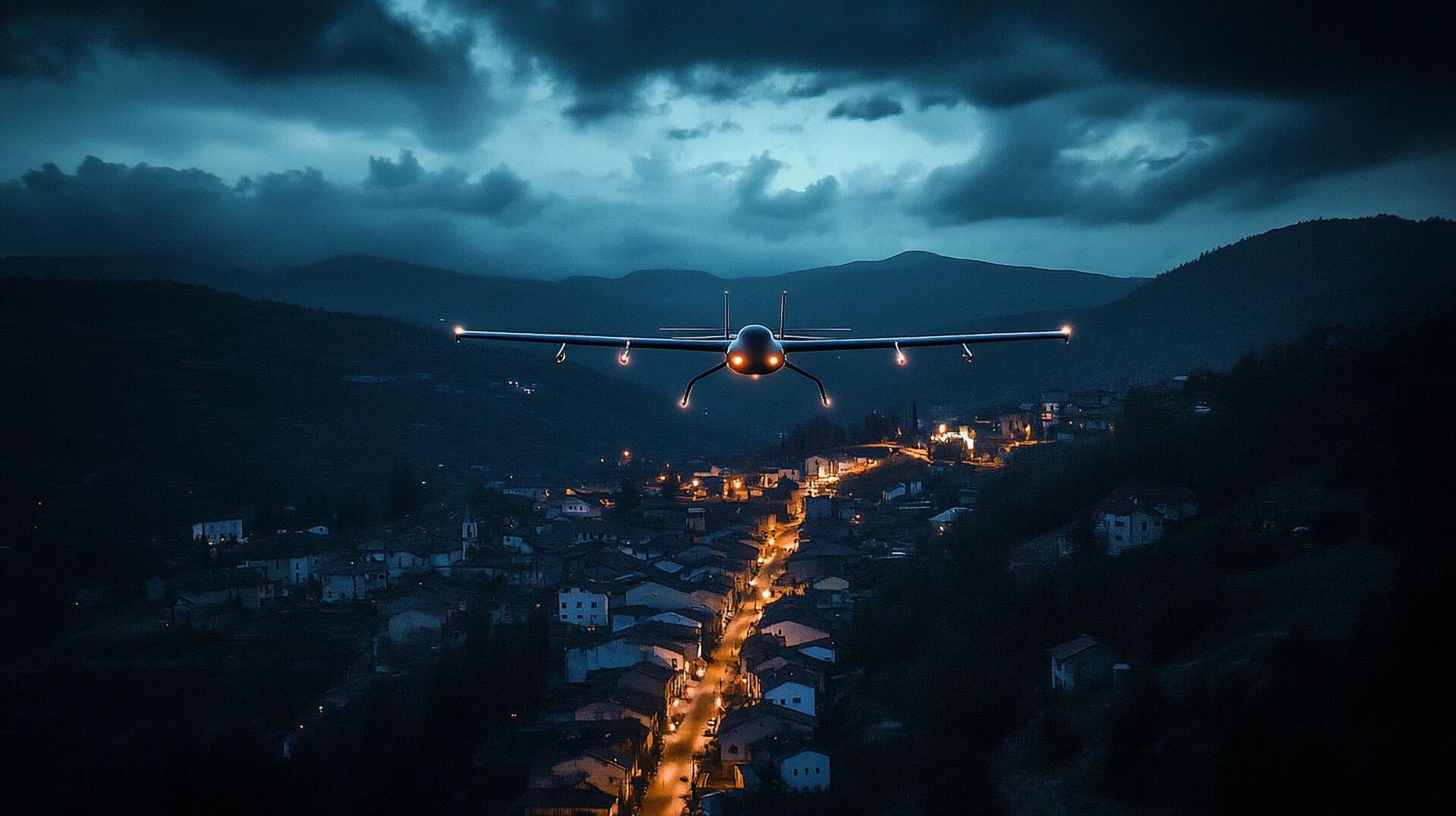
Almost simultaneously with the news from Stavropol,
Russia’s capital, Moscow, activated its air defense systems. According to the
Russian Ministry of Defense, at least 13 drones were intercepted during the
night, flying in from the west. Several fragments fell in the southwestern
parts of the city, specifically in the Troparevo and Ochakovo districts. No
casualties were reported, although one drone damaged the roof of a residential
building. Residents were offered temporary evacuation.
The Ministry of Defense accused Ukraine of a “provocative
and aggressive attempt to destabilize” the situation in Russia’s central
regions. Kyiv, as usual, did not take direct responsibility for strikes deep
into Russian territory, but representatives of the Ukrainian command stated
that such actions are a “response to massive attacks on Ukraine’s critical
infrastructure.”
Experts see the events of the previous day as a troubling
sign:
· The threat of destabilization within Russian regions is
growing. If the Stavropol explosion is indeed the work of a sabotage group or
the result of internal conflicts rooted in corruption, it would be an alarming
signal for the country’s southern regions.
· The security of Moscow remains at risk despite dense air
defense coverage. The fact that drones continue to breach the capital’s
airspace is neither the first nor the last of such incidents.
· Psychological pressure on the population, including through
targeted strikes, is becoming a new reality.
Political analyst
Marina Yakovleva: “A symbolic attack on
the capital is not just a tactic. It's a message. Ukraine is showing it can
reach even the most protected areas. At the same time, internal tensions are
rising in Russia, driven by uncertainty and anxiety among regional elites.”
Local resident from
Stavropol: “We’re in shock. Our city
has always been quiet and peaceful. Now it feels like a war zone. People are
scared.”
May
28 may go down as a turning point in Russian domestic politics and defense
strategy. Two high-profile incidents—the death of an official in Stavropol and
the aerial attack on Moscow—are shaping a new reality in which both authorities
and citizens must learn to live amid uncertainty and constant threat.


 Latest news
Latest news
Latest newsBulgaria Asks NATO to Strengthen Its Defences Amid Black Sea Threats: Sofia Fears Growing Risks to Maritime Shipping
16.Oct.2026
Black Sea Shipping Risks Threaten Bulgaria’s 5 Million Tonnes of Wheat Exports
15.Oct.2026
Georgia’s Foreign Funding and Political Ban Laws Draw Criticism from the Venice Commission
15.Oct.2026
Kazakhstan Promotes a Caspian Green Energy Corridor: Astana Seeks New Routes to the European Market
14.Oct.2026
Inflation in Romania Accelerates to 6.61%: Rising Prices Increase Pressure on Households and the Economy
13.Oct.2026
Can Europe Protect the International Criminal Court from Trump’s Sanctions?
13.Oct.2026
Georgia’s Constitutional Court Continues Case on Banning Opposition Parties: Political Pluralism at Stake
12.Oct.2026
Azerbaijan and Iran Step Up Security Contacts Amid Hijab Protests
12.Oct.2026
Personnel Shortages Complicate Ukrainian Forces’ Rotation: Ukraine Faces Long-Term Challenges on the Front Line
11.Oct.2026
Trump Eases Sanctions on Russian Fuel After Talks with Putin: Kyiv Fears Boost to Moscow’s War Revenues
10.Oct.2026
Putin Seeks to Strengthen Russia’s Influence in the Post-Soviet Space Through the CIS
10.Oct.2026
Russia and the South Caucasus: External Pressure, Political Competition and a Crisis of Trust
10.Oct.2026
Peaceful Settlement Between Armenia and Azerbaijan: Moving from Declarations to Implementation
10.Oct.2026
Moldova Ready to Accept as Many Ukrainians as Necessary if Situation Worsens This Winter
09.Oct.2026
Turkmenistan Turns Avaza into a Regional Diplomatic Hub as Caspian, Central Asian and CIS Agendas Converge
08.Oct.2026