
 17 Oct 2026









Is Erdogan Stepping Down? The Turkish President Says He Won’t Run Again — But It’s Not That Simple
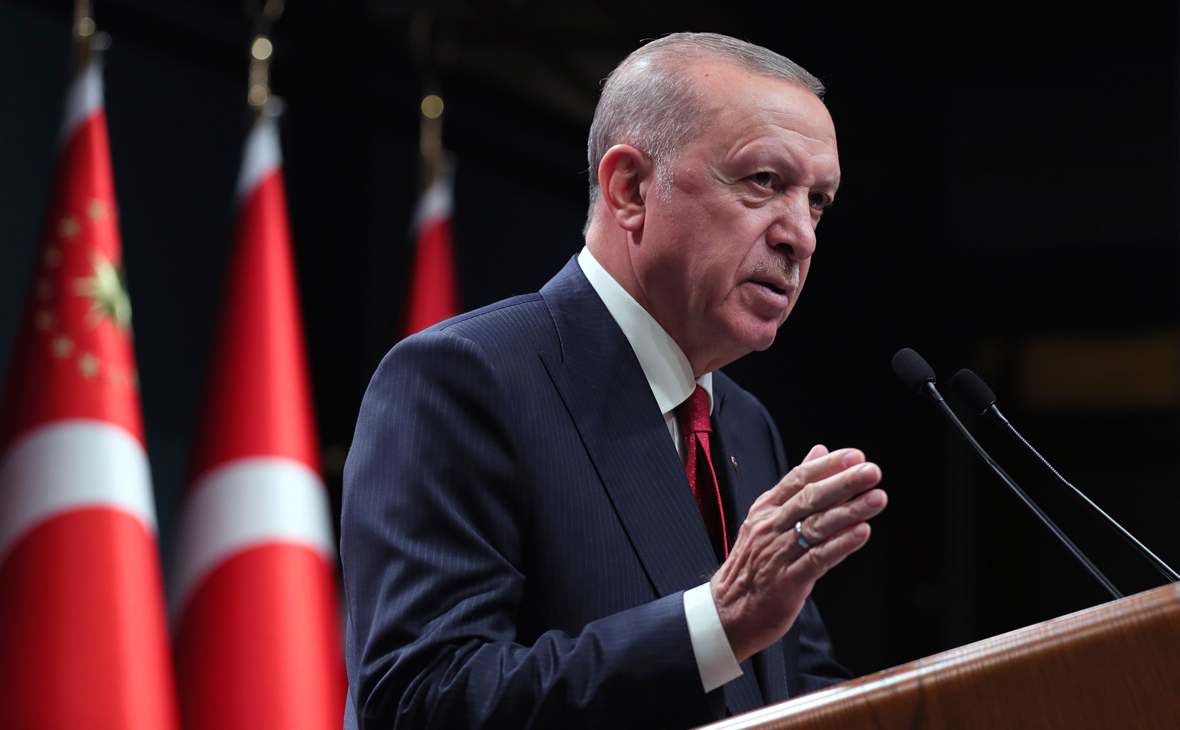
After
an Informal Summit of the Organization of Turkic States (OTS) in Budapest,
Turkish President Recep Tayyip Erdogan made a bold statement: he does
not intend to run for another presidential term. The announcement came as a
surprise, considering Erdogan's political career has spanned over two decades.
“I do not plan to be re-elected or to run for office again. What matters to us is how we can elevate the reputation of our country. Turkey is changing, the world is changing. We are living in a new era,” Erdogan told reporters.
A New Chapter or a Political Maneuver?
At
first glance, Erdogan’s statement appears to be an act of political maturity —
a leader ready to step aside and pass the torch to a new generation. However,
analysts suggest this may be part of a broader strategic plan.
Erdogan
has repeatedly demonstrated an ability to reshape the country’s political
system to fit his goals. It was under his leadership that Turkey transitioned
from a parliamentary to a presidential system. The 2017 constitutional reform
significantly expanded his powers, and despite growing criticism and economic
challenges, he reaffirmed his authority in the 2023 elections.
The
question of Erdogan’s potential re-election may ultimately depend not on
political principles, but on legal nuance: if a new constitution is adopted,
current term limits could be "reset." This would allow Erdogan to run
again — under a new legal framework.
A Constitution “by the People, Not by Coup Plotters”
The
president emphasized the urgent need for comprehensive constitutional reform.
According to Erdogan, the current Turkish constitution, drafted after the 1980
military coup, still reflects a mindset rooted in military rule.
“The country needs a civilian constitution. A law created by the people, not by conspirators,” Erdogan declared.
His
ruling Justice and Development Party (AKP) has already begun work on a new
constitution. Erdogan called on opposition forces to participate in the
process, suggesting the formation of joint commissions to prepare a civilian
constitution for public consideration.
However,
critics warn that under the guise of a “civilian constitution,” Turkey could
receive an even more centralized power structure — potentially laying the legal
groundwork for the continuation of the Erdogan era.
No Snap Elections
Despite
all the current political shifts, Erdogan ruled out the possibility of early
parliamentary elections. This means Turkey’s political structure is expected to
remain intact — at least officially — in the coming years.
What Comes Next?
Erdogan’s
speech was not merely a farewell address from a departing politician. It was a
message — to allies and opponents alike. He may be grooming a successor, laying
the groundwork for a possible return, or genuinely preparing to end his career
on his own terms.
One
thing is clear: Turkish politics is entering a new era, and in it, Erdogan’s
presence — whether direct or indirect — will remain pivotal.
Expert
Group CCBS


 Latest news
Latest news
Latest newsBulgaria Asks NATO to Strengthen Its Defences Amid Black Sea Threats: Sofia Fears Growing Risks to Maritime Shipping
16.Oct.2026
Black Sea Shipping Risks Threaten Bulgaria’s 5 Million Tonnes of Wheat Exports
15.Oct.2026
Georgia’s Foreign Funding and Political Ban Laws Draw Criticism from the Venice Commission
15.Oct.2026
Kazakhstan Promotes a Caspian Green Energy Corridor: Astana Seeks New Routes to the European Market
14.Oct.2026
Inflation in Romania Accelerates to 6.61%: Rising Prices Increase Pressure on Households and the Economy
13.Oct.2026
Can Europe Protect the International Criminal Court from Trump’s Sanctions?
13.Oct.2026
Georgia’s Constitutional Court Continues Case on Banning Opposition Parties: Political Pluralism at Stake
12.Oct.2026
Azerbaijan and Iran Step Up Security Contacts Amid Hijab Protests
12.Oct.2026
Personnel Shortages Complicate Ukrainian Forces’ Rotation: Ukraine Faces Long-Term Challenges on the Front Line
11.Oct.2026
Trump Eases Sanctions on Russian Fuel After Talks with Putin: Kyiv Fears Boost to Moscow’s War Revenues
10.Oct.2026
Putin Seeks to Strengthen Russia’s Influence in the Post-Soviet Space Through the CIS
10.Oct.2026
Russia and the South Caucasus: External Pressure, Political Competition and a Crisis of Trust
10.Oct.2026
Peaceful Settlement Between Armenia and Azerbaijan: Moving from Declarations to Implementation
10.Oct.2026
Moldova Ready to Accept as Many Ukrainians as Necessary if Situation Worsens This Winter
09.Oct.2026
Turkmenistan Turns Avaza into a Regional Diplomatic Hub as Caspian, Central Asian and CIS Agendas Converge
08.Oct.2026