
 17 Oct 2026









Russia has presented the U.S. with a list of demands aimed at ending the war in Ukraine and resetting relations with Washington.
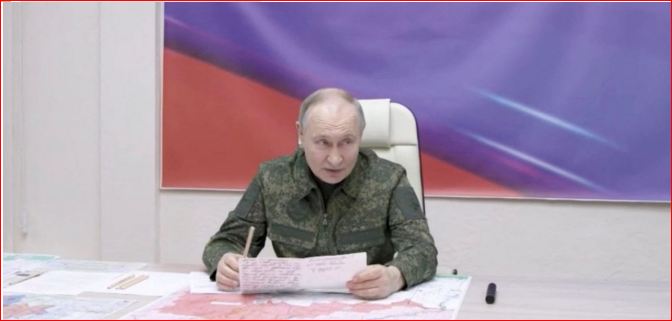
As reported by Reuters, Russia has presented the U.S. with a list of demands aimed at ending the war in Ukraine and resetting relations with Washington.
While the exact details remain unclear, Reuters reports Moscow’s terms are broad and similar to previous demands. Previous demands have included barring Ukraine from NATO, preventing foreign troop deployments there, and recognizing Russian claims over Crimea and four Ukrainian provinces. Russia has also insisted that the U.S. and NATO address what it calls the “root causes” of the war, including NATO’s expansion eastward.
Discussions between Russian and U.S. officials have taken place over the past three weeks, both virtually and in person. However, it remains uncertain whether Moscow is willing to enter peace talks with Kyiv before its conditions are met. Some U.S. officials and experts worry that any ceasefire could be used by Russia to sow division among Ukraine’s allies and strengthen its position.
Separately, Reuters reports that Russia is also asking businesses to propose which Western sanctions should be lifted ahead of negotiations with the U.S.
Many Russian firms consider restrictions on cross-border payments, particularly those blocking access to dollar transactions and the SWIFT banking system, to be the most damaging. Moscow is also reportedly concerned about energy sanctions, including limits on its oil tanker fleet.
U.S. officials have suggested that easing some restrictions could be part of a broader negotiation, but European leaders have largely taken a harder stance.
Meanwhile, Washington remains divided on how to approach peace talks, with some officials supporting past negotiation frameworks, while others argue for a completely new deal. It remains unclear whether Russian President Vladimir Putin is willing to agree to any truce or concessions.
13.03.2025 11:51


 Latest news
Latest news
Latest newsBulgaria Asks NATO to Strengthen Its Defences Amid Black Sea Threats: Sofia Fears Growing Risks to Maritime Shipping
16.Oct.2026
Black Sea Shipping Risks Threaten Bulgaria’s 5 Million Tonnes of Wheat Exports
15.Oct.2026
Georgia’s Foreign Funding and Political Ban Laws Draw Criticism from the Venice Commission
15.Oct.2026
Kazakhstan Promotes a Caspian Green Energy Corridor: Astana Seeks New Routes to the European Market
14.Oct.2026
Inflation in Romania Accelerates to 6.61%: Rising Prices Increase Pressure on Households and the Economy
13.Oct.2026
Can Europe Protect the International Criminal Court from Trump’s Sanctions?
13.Oct.2026
Georgia’s Constitutional Court Continues Case on Banning Opposition Parties: Political Pluralism at Stake
12.Oct.2026
Azerbaijan and Iran Step Up Security Contacts Amid Hijab Protests
12.Oct.2026
Personnel Shortages Complicate Ukrainian Forces’ Rotation: Ukraine Faces Long-Term Challenges on the Front Line
11.Oct.2026
Trump Eases Sanctions on Russian Fuel After Talks with Putin: Kyiv Fears Boost to Moscow’s War Revenues
10.Oct.2026
Putin Seeks to Strengthen Russia’s Influence in the Post-Soviet Space Through the CIS
10.Oct.2026
Russia and the South Caucasus: External Pressure, Political Competition and a Crisis of Trust
10.Oct.2026
Peaceful Settlement Between Armenia and Azerbaijan: Moving from Declarations to Implementation
10.Oct.2026
Moldova Ready to Accept as Many Ukrainians as Necessary if Situation Worsens This Winter
09.Oct.2026
Turkmenistan Turns Avaza into a Regional Diplomatic Hub as Caspian, Central Asian and CIS Agendas Converge
08.Oct.2026