
 02 Sep 2026









Zelensky's diplomatic pressure is intensifying in the course of growing pressure on the Ukrainian military front
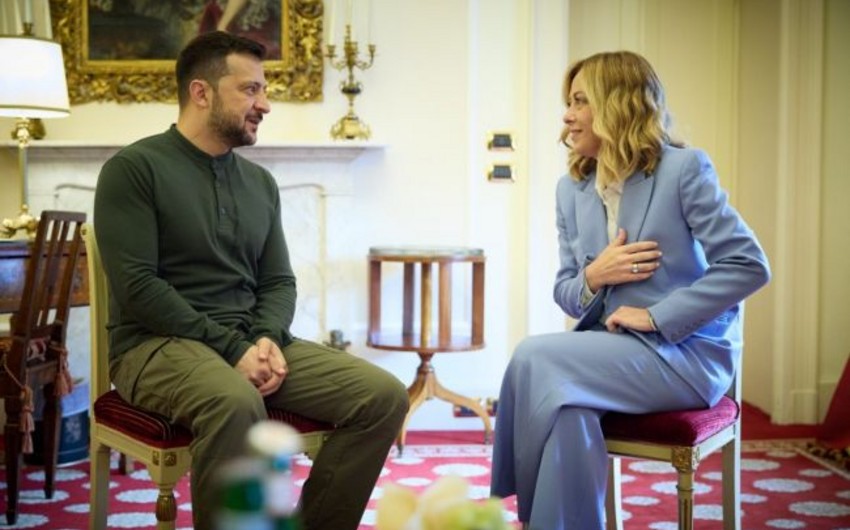
For the second time in a month, Ukrainian President Vladimir Zelensky accepted an invitation to Rome, going on a dizzying tour of European capitals, writes the Italian Corriere della Sera.Originally, the trip was set to coincide with a NATO leaders' summit in Ramstein on Saturday, but the meeting was canceled due to Hurricane Milton, which has grounded President Joe Biden in the United States. The cancellation also put off a crucial small-group meeting between the U.S., U.K., France, Germany, and Ukraine’s leader.
Undeterred, Zelensky is pressing forward with his diplomatic offensive. His European tour began in Dubrovnik, where he met leaders from Southeast Europe, and today he’s in Paris for talks at the Elysee Palace before heading to Rome’s Villa Doria Pamphilj for discussions with Italian Prime Minister Giorgia Meloni. Tomorrow, he will have an audience with Pope Francis at the Vatican before continuing to Berlin and London for meetings with German and U.K. leaders, including Prime Minister Keir Starmer.
Zelensky’s high-profile diplomatic engagements reflect his belief that the time is ripe for a political solution to the war that avoids leaving Ukraine vulnerable to future Russian aggression. “In October, November, and December, we have a real chance to push the situation toward peace and lasting stability,” he said. “The conditions on the ground now offer the opportunity for decisive action to end this war by 2025.”
However, the current situation is dire for Ukraine. September was the month of greatest territorial losses for Ukrainian forces since the early stages of the war in 2022, according to a report from Grand Continent. Russian forces have reclaimed 468 square kilometers of land, despite suffering heavy casualties, with an estimated 1,000 Russian soldiers killed or wounded each day.
The Ukrainian military is stretched thin along the Donbas front, with forces overwhelmed in manpower and resources. Even Zelensky’s decision to launch an incursion into Russia’s Kursk region in early August has backfired. What was intended to demonstrate Ukraine’s resilience to external backers has resulted in elite Ukrainian units becoming isolated in Russian territory, unable to reinforce Ukrainian positions along the Donbas contact line. Ukrainian officials fear that retreating from Kursk could expose their forces to further Russian advances into the Sumy region, just across the border.
Despite these setbacks, Zelensky’s plan has a certain logic. With the autumn rains expected to stall Russian advances, Kyiv hopes to regroup and bolster its defenses with thousands of new missiles from Western allies. Politically, however, Zelensky is walking a tightrope. He knows that officially conceding any of the occupied territories would be deeply unpopular with the Ukrainian public. Instead, he appears ready to negotiate a ceasefire along the current front lines, while refraining from recognizing any new official borders. In return, Ukraine seeks robust Western commitments, starting with security guarantees from the United States akin to those provided to Japan, South Korea, and the Philippines.
In his meetings with European leaders, Zelensky will likely push for assurances on Ukraine’s rapid accession to the European Union. Such a move would provide Ukraine with a much-needed growth trajectory and long-term stability.
But standing in the way of peace is Russian President Vladimir Putin, whose ambitions extend far beyond the territories already seized through bloodshed. Putin aims to destabilize Ukraine politically and assert control over the country’s future. The Russian defense budget is set to surge to $130 billion in 2025, up from $108 billion this year, while Moscow’s oil revenues are expected to hit $190 billion in 2024 — more than before the war started. Until sanctions hit harder and weaken Russia’s war machine, Putin has little incentive to come to the negotiating table.
For Zelensky, the coming months will be critical, both on the battlefield and in the diplomatic arena, as Ukraine faces mounting challenges in its fight for sovereignty and security.
14.10.2024 07:13


 Latest news
Latest news
Latest newsRomania Faces Political Deadlock: Nicusor Dan Moves to Form a New Government
01.Sep.2026
Pashinyan Meets Aliyev in Bishkek: Armenia and Azerbaijan Prepare for a New Stage in the Peace Process
01.Sep.2026
Ukraine Plans to Present Allies with a New War Strategy and Seek Early EU Funding
31.Aug.2026
The Mecca Pact — Protection or a Trap for Turkiye?
30.Aug.2026
Tigran Khzmalyan: Armenia must make a Decisive Choice in Favor of Europe
30.Aug.2026
Bulgaria to Strengthen Its Black Sea Fleet: Sofia to Receive Seven Minehunter Vessels
29.Aug.2026
Russia Intensifies Strikes on Ukraine’s Infrastructure, Targeting Warehouses and Logistics Hubs
28.Aug.2026
A New Economic Framework for Central Asia and the Caucasus: The Role of Azerbaijan and Uzbekistan
28.Aug.2026
Moscow Warns London: Russia Considers Strikes on British Military Targets
27.Aug.2026
Kazakhstan Launches a New Economic Strategy: GDP Growth, Investment and Pension Reform
27.Aug.2026
CIA Director Visits Moscow: Trump Hopes for Results
26.Aug.2026
Former Ukrainian Defense Minister Warns of Risk of Gradual Defeat in War with Russia
25.Aug.2026
Putin Authorizes Temporary State Management of Critical Infrastructure Vulnerable to Drone Attacks
24.Aug.2026
The United States Rapidly Expands Missile Production: Pentagon Accelerates Output of Tomahawks and Other Critical Weapons
24.Aug.2026
Record Supplies: Armenia Boosts Fish Exports to Georgia
23.Aug.2026