
 17 Oct 2026









US State Department does not call Karabakh Armenians’ exodus ethnic cleansing until there is ‘evidence’
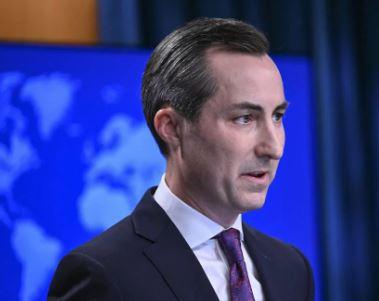
The US Department of State does not call the mass departure of Armenians from Artsakh (Nagorno-Karabakh) ethnic cleansing until there is "evidence."
Spokesperson Matthew Miller noted during Monday’s Department press briefing that the United States take allegations of ethnic cleansing, genocide, or other atrocities seriously.
"We are in touch with contacts on the ground about the situation. We won’t shy from taking appropriate actions to respond to allegations of atrocities and promote accountability for those responsible for atrocities when we see evidence that they’ve taken place. But as always, a determination regarding genocide or ethnic cleansing is based on a deliberate, evidence-based process. It’s not something I can speak to with any degree of finality from this podium," Miller added.
At the same time, he noted that "a hundred thousand, or I should say around a hundred thousand, ethnic Armenians have departed Nagorno-Karabakh for Armenia."
"Now, we don’t know—I don’t think any of us can say whether—what percentage of those plan to remain in Armenia permanently, what percentage of them may want to come back, if the conditions allowed, if they felt sufficient assurances about their treatment if they would return, which is why we are reiterating our call for an independent international monitoring mission that would provide transparency and reassurance to the population of Nagorno-Karabakh that the rights and securities of ethnic Armenians would be protected, particularly for any of those that wish to return. Azerbaijan has made those assurances. We think there ought to be an international monitoring mission there to observe and guarantee them," Miller added.
Also, he welcomed the UN mission in Karabakh.
"We continue to work with our allies and partners about what a more long-term mission ought to look like," Miller added.
And speaking about the prospects of a peace agreement between Armenia and Azerbaijan, the spokesperson of the US State Department noted that "There are other issues beyond the status of Nagorno-Karabakh that are at dispute between Armenia and Azerbaijan, and we would encourage them to return to peace talks to discuss and ultimately come to resolution on those issues."


 Latest news
Latest news
Latest newsBulgaria Asks NATO to Strengthen Its Defences Amid Black Sea Threats: Sofia Fears Growing Risks to Maritime Shipping
16.Oct.2026
Black Sea Shipping Risks Threaten Bulgaria’s 5 Million Tonnes of Wheat Exports
15.Oct.2026
Georgia’s Foreign Funding and Political Ban Laws Draw Criticism from the Venice Commission
15.Oct.2026
Kazakhstan Promotes a Caspian Green Energy Corridor: Astana Seeks New Routes to the European Market
14.Oct.2026
Inflation in Romania Accelerates to 6.61%: Rising Prices Increase Pressure on Households and the Economy
13.Oct.2026
Can Europe Protect the International Criminal Court from Trump’s Sanctions?
13.Oct.2026
Georgia’s Constitutional Court Continues Case on Banning Opposition Parties: Political Pluralism at Stake
12.Oct.2026
Azerbaijan and Iran Step Up Security Contacts Amid Hijab Protests
12.Oct.2026
Personnel Shortages Complicate Ukrainian Forces’ Rotation: Ukraine Faces Long-Term Challenges on the Front Line
11.Oct.2026
Trump Eases Sanctions on Russian Fuel After Talks with Putin: Kyiv Fears Boost to Moscow’s War Revenues
10.Oct.2026
Putin Seeks to Strengthen Russia’s Influence in the Post-Soviet Space Through the CIS
10.Oct.2026
Russia and the South Caucasus: External Pressure, Political Competition and a Crisis of Trust
10.Oct.2026
Peaceful Settlement Between Armenia and Azerbaijan: Moving from Declarations to Implementation
10.Oct.2026
Moldova Ready to Accept as Many Ukrainians as Necessary if Situation Worsens This Winter
09.Oct.2026
Turkmenistan Turns Avaza into a Regional Diplomatic Hub as Caspian, Central Asian and CIS Agendas Converge
08.Oct.2026