
 17 Oct 2026









US confirms Ukraine is already using its cluster bombs against Russian targets
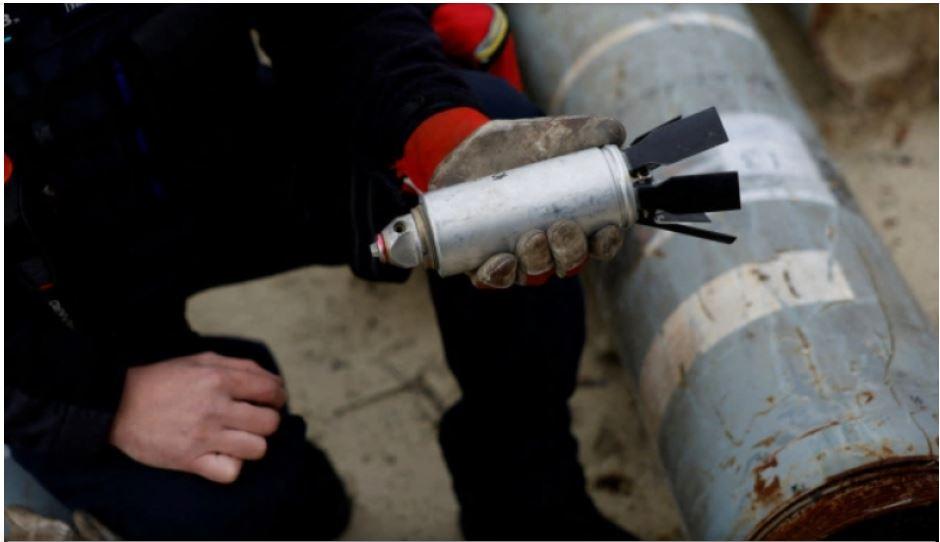
independent: Ukrainian armed forces are using the cluster bombs provided by the US in their counteroffensive against Russia, the White House has confirmed.
The US provided the war-torn nation with cluster munitions after much debate as part of an $800m security package in its war against Russia, despite opposition from human rights groups.
Cluster munitions are prohibited by more than 100 countries. They typically release large numbers of smaller bomblets that can kill indiscriminately over a wide area.
The bomblets, if they fail to explode on impact, can pose a long-term risk similar to landmines.
Ukraine's forces started using the munitions "in the last week or so", White House national security council spokesperson John Kirby told reporters on Thursday.
"They are using them appropriately, they are using them effectively and they are actually having an impact on Russia's defensive formations and Russia's defensive maneuvering," he said.
Ukraine has said it will use cluster bombs only to "de-occupy" its territory and that it will not use them on Russian territories.
Russia, Ukraine and the US have not signed the Convention on Cluster Munitions, which bans production, stockpiling, use and transfer of the weapons.
The decision to send the munitions to Ukraine has been opposed by Spain and Canada, while Britain said it was part of a convention that discourages use of the weapons.
Russian president Vladimir Putin said on Friday that the West was stoking the “flames of war” by supporting Ukraine and that Western weapons supplied to Ukraine “burn well” on the battlefield.
He last week said Moscow had a "sufficient stockpile" of cluster bombs and reserved the right to use them if such munitions were deployed against his forces.
"I want to note that in the Russian Federation there is a sufficient stockpile of different kinds of cluster bombs," Mr Putin said.
"We have not used them yet. But of course, if they are used against us, we reserve the right to take reciprocal action."
The Russian president said he regarded the use of cluster bombs as a crime and that Russia had so far not needed to use them, despite having suffered its own ammunition issues in the past.
Meanwhile, Russia stepped up its assault on Ukraine’s ports with a third night of air strikes as it claimed to treat all ships heading for those ports as potential military targets.
Saying that Moscow was deliberately turning the Black Sea into a “danger zone”, Kyiv responded in kind by announcing that from Friday, ships heading for Russian ports – or Russian-occupied ports in Ukraine – would be treated in the same way, as if they are carrying weapons or other military cargo.
It follows Moscow’s decision to withdraw earlier this week from a UN-brokered deal to let Ukraine export grain.


 Latest news
Latest news
Latest newsBulgaria Asks NATO to Strengthen Its Defences Amid Black Sea Threats: Sofia Fears Growing Risks to Maritime Shipping
16.Oct.2026
Black Sea Shipping Risks Threaten Bulgaria’s 5 Million Tonnes of Wheat Exports
15.Oct.2026
Georgia’s Foreign Funding and Political Ban Laws Draw Criticism from the Venice Commission
15.Oct.2026
Kazakhstan Promotes a Caspian Green Energy Corridor: Astana Seeks New Routes to the European Market
14.Oct.2026
Inflation in Romania Accelerates to 6.61%: Rising Prices Increase Pressure on Households and the Economy
13.Oct.2026
Can Europe Protect the International Criminal Court from Trump’s Sanctions?
13.Oct.2026
Georgia’s Constitutional Court Continues Case on Banning Opposition Parties: Political Pluralism at Stake
12.Oct.2026
Azerbaijan and Iran Step Up Security Contacts Amid Hijab Protests
12.Oct.2026
Personnel Shortages Complicate Ukrainian Forces’ Rotation: Ukraine Faces Long-Term Challenges on the Front Line
11.Oct.2026
Trump Eases Sanctions on Russian Fuel After Talks with Putin: Kyiv Fears Boost to Moscow’s War Revenues
10.Oct.2026
Putin Seeks to Strengthen Russia’s Influence in the Post-Soviet Space Through the CIS
10.Oct.2026
Russia and the South Caucasus: External Pressure, Political Competition and a Crisis of Trust
10.Oct.2026
Peaceful Settlement Between Armenia and Azerbaijan: Moving from Declarations to Implementation
10.Oct.2026
Moldova Ready to Accept as Many Ukrainians as Necessary if Situation Worsens This Winter
09.Oct.2026
Turkmenistan Turns Avaza into a Regional Diplomatic Hub as Caspian, Central Asian and CIS Agendas Converge
08.Oct.2026