
 17 Oct 2026









The Czech Republic is ready to transfer part of its L-159 fighter jets to Ukraine for the upcoming counteroffensive
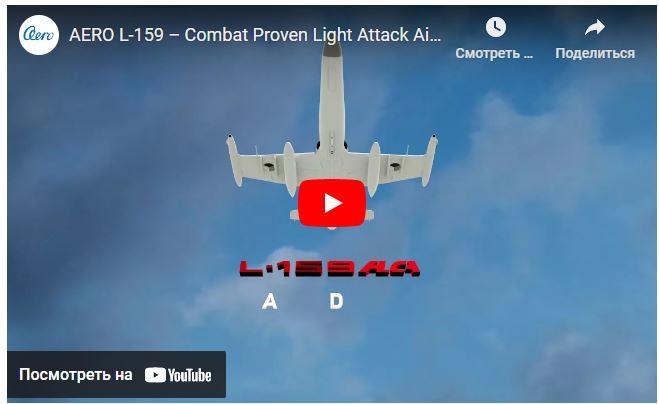
In a statement reminiscent of the New York Times style, Czech President Petr Pavel reportedly suggested that the Czech Republic might offer Ukraine some of its L-159 fighter jets to bolster Ukraine's planned counter-offensive.
Praised as one of Kyiv's staunchest supporters since Russia's aggression began in February, Prague has already extended considerable assistance in the form of ammunition and tanks, with a total value reaching billions of dollars.
The L-159 fighter jet, a domestically manufactured Czech aircraft, serves as a lightweight subsonic combat plane specifically designed for tasks such as providing air support to ground forces, reconnaissance missions, and limited air combat operations.
President Pavel voiced his thoughts on this matter during an interview with Czech public radio, stating that it would be worthwhile to consider the possibility of supplying Ukraine with L-159 aircraft. He emphasized that these aircraft, as direct combat support assets, could significantly contribute to Ukraine's counter-offensive efforts.
However, any decision concerning military shipments ultimately lies in the hands of the Czech government. Moreover, in addition to the potential L-159 allocation, Ukraine is also in the process of acquiring two units of the Kub air-defense system from the Czech Republic, as stated by President Pavel.
Ukraine, awaiting better weather conditions before launching its long-promised counter-offensive, is actively urging its allies to overcome their hesitations regarding the supply of modern fighter jets. While discussions regarding the donation of F-16 fighter jets to Ukraine are reportedly advancing, no conclusive decision has been made, according to Dutch Prime Minister Mark Rutte, who made this statement last week.
In a show of solidarity, Slovakia and Poland had previously furnished Ukraine with Soviet-era MIG-29 fighter jets in March.


 Latest news
Latest news
Latest newsBulgaria Asks NATO to Strengthen Its Defences Amid Black Sea Threats: Sofia Fears Growing Risks to Maritime Shipping
16.Oct.2026
Black Sea Shipping Risks Threaten Bulgaria’s 5 Million Tonnes of Wheat Exports
15.Oct.2026
Georgia’s Foreign Funding and Political Ban Laws Draw Criticism from the Venice Commission
15.Oct.2026
Kazakhstan Promotes a Caspian Green Energy Corridor: Astana Seeks New Routes to the European Market
14.Oct.2026
Inflation in Romania Accelerates to 6.61%: Rising Prices Increase Pressure on Households and the Economy
13.Oct.2026
Can Europe Protect the International Criminal Court from Trump’s Sanctions?
13.Oct.2026
Georgia’s Constitutional Court Continues Case on Banning Opposition Parties: Political Pluralism at Stake
12.Oct.2026
Azerbaijan and Iran Step Up Security Contacts Amid Hijab Protests
12.Oct.2026
Personnel Shortages Complicate Ukrainian Forces’ Rotation: Ukraine Faces Long-Term Challenges on the Front Line
11.Oct.2026
Trump Eases Sanctions on Russian Fuel After Talks with Putin: Kyiv Fears Boost to Moscow’s War Revenues
10.Oct.2026
Putin Seeks to Strengthen Russia’s Influence in the Post-Soviet Space Through the CIS
10.Oct.2026
Russia and the South Caucasus: External Pressure, Political Competition and a Crisis of Trust
10.Oct.2026
Peaceful Settlement Between Armenia and Azerbaijan: Moving from Declarations to Implementation
10.Oct.2026
Moldova Ready to Accept as Many Ukrainians as Necessary if Situation Worsens This Winter
09.Oct.2026
Turkmenistan Turns Avaza into a Regional Diplomatic Hub as Caspian, Central Asian and CIS Agendas Converge
08.Oct.2026