
 17 Oct 2026









Bloomberg: New EU sanctions on Russia will affect third countries
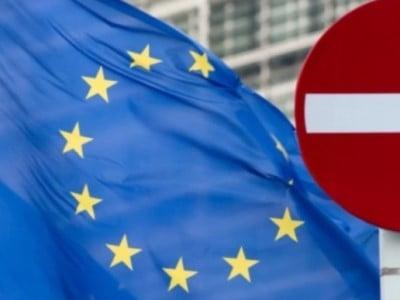
The European Union (EU) will gain broad powers with its new Russia sanctions package that would allow it to target people inside and out of the bloc who help evade its restrictive measures, Bloomberg reported.
The package adopted by member states this past week includes powers to list “natural or legal persons, entities or bodies” who facilitate the circumvention of EU sanctions.
Under these sanctions, measures can be taken against those who, for example, import banned Russian goods through a third EU country, concealing their true origin, or export banned goods to Moscow.
It could also allow the bloc to impose sanctions on EU citizens who help others avoid restrictions.
The EU has come to the conclusion that people and companies that bypass the sanctions are most likely to contribute to the "destabilization of Ukraine," and as a result, it is necessary to take measures against them.
In the past, the EU has been critical of the use of these so-called secondary sanctions, particularly by the US, as European companies have been trapped by these measures from time to time.
The EU, however, is unlikely to go as far as the US. Non-EU operators may face the freezing of their EU assets and the banning of individuals from entering the EU.
EU-based individuals and companies probably find it difficult to carry out business cooperation with any sanctioned entity or individual, adding an element of deterrence to the measure.
The US has largely abstained so far, preferring instead to put diplomatic pressure on Russia, a source said. But the EU and its allies agree that maintaining sanctions is key.
10.10.2022 10:19


 Latest news
Latest news
Latest newsBulgaria Asks NATO to Strengthen Its Defences Amid Black Sea Threats: Sofia Fears Growing Risks to Maritime Shipping
16.Oct.2026
Black Sea Shipping Risks Threaten Bulgaria’s 5 Million Tonnes of Wheat Exports
15.Oct.2026
Georgia’s Foreign Funding and Political Ban Laws Draw Criticism from the Venice Commission
15.Oct.2026
Kazakhstan Promotes a Caspian Green Energy Corridor: Astana Seeks New Routes to the European Market
14.Oct.2026
Inflation in Romania Accelerates to 6.61%: Rising Prices Increase Pressure on Households and the Economy
13.Oct.2026
Can Europe Protect the International Criminal Court from Trump’s Sanctions?
13.Oct.2026
Georgia’s Constitutional Court Continues Case on Banning Opposition Parties: Political Pluralism at Stake
12.Oct.2026
Azerbaijan and Iran Step Up Security Contacts Amid Hijab Protests
12.Oct.2026
Personnel Shortages Complicate Ukrainian Forces’ Rotation: Ukraine Faces Long-Term Challenges on the Front Line
11.Oct.2026
Trump Eases Sanctions on Russian Fuel After Talks with Putin: Kyiv Fears Boost to Moscow’s War Revenues
10.Oct.2026
Putin Seeks to Strengthen Russia’s Influence in the Post-Soviet Space Through the CIS
10.Oct.2026
Russia and the South Caucasus: External Pressure, Political Competition and a Crisis of Trust
10.Oct.2026
Peaceful Settlement Between Armenia and Azerbaijan: Moving from Declarations to Implementation
10.Oct.2026
Moldova Ready to Accept as Many Ukrainians as Necessary if Situation Worsens This Winter
09.Oct.2026
Turkmenistan Turns Avaza into a Regional Diplomatic Hub as Caspian, Central Asian and CIS Agendas Converge
08.Oct.2026