
 17 Oct 2026









Moscow sees attempts by number of extra-regional players to bring instability to South Caucasus region
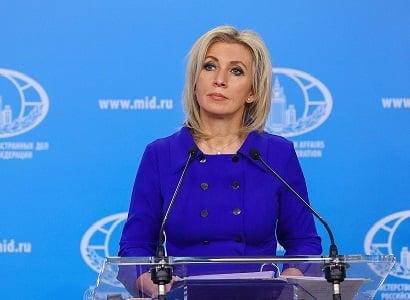
Moscow sees attempts by a number of extra-regional players to bring instability to the South Caucasus region, which just recently got a chance, formalized in the legal framework, to get out of the protracted crisis, Russia's Foreign Ministry spokeswoman Maria Zakharova said.
According to her, there are obvious attempts to transfer the situation of instability in Ukraine to another part of the post-Soviet space, including the South Caucasus. "Although not only the South Caucasus, you see what attempts to destabilize the situation are and are being made in the entire post-Soviet space. This, of course, is an extremely destructive and dangerous line. For its part, Russia continues vigorous efforts to de-escalate the situation on the Armenian-Azerbaijani border and is in contact with both Yerevan and Baku. Relevant steps are also being taken through the CSTO. It is necessary to ensure the ceasefire and withdrawal of all forces to their initial positions," she noted.
"Yes, we do see that there are a number of extra-regional players who want to...well, in the beginning they wanted to appropriate some laurels of peace settlement or implementation of peace agreements. In principle, we are not greedy, we are always ready to share success. But now we see another tendency, when they try to put sticks in the wheels of implementation of these agreements. Now this is serious. We still believe that the key to stability in the South Caucasus is the full implementation of all the trilateral statements reached by the leaders of Russia, Armenia, and Azerbaijan. We consider it important in the current situation to intensify work in all tracks, including the unblocking of economic and transport ties in the region, delimitation of the border and agreement on a peace treaty. We are focused on the implementation of these agreements. We see them as a guarantee of avoiding destructive tendencies, no matter who is behind them," Zakharova concluded.


 Latest news
Latest news
Latest newsBulgaria Asks NATO to Strengthen Its Defences Amid Black Sea Threats: Sofia Fears Growing Risks to Maritime Shipping
16.Oct.2026
Black Sea Shipping Risks Threaten Bulgaria’s 5 Million Tonnes of Wheat Exports
15.Oct.2026
Georgia’s Foreign Funding and Political Ban Laws Draw Criticism from the Venice Commission
15.Oct.2026
Kazakhstan Promotes a Caspian Green Energy Corridor: Astana Seeks New Routes to the European Market
14.Oct.2026
Inflation in Romania Accelerates to 6.61%: Rising Prices Increase Pressure on Households and the Economy
13.Oct.2026
Can Europe Protect the International Criminal Court from Trump’s Sanctions?
13.Oct.2026
Georgia’s Constitutional Court Continues Case on Banning Opposition Parties: Political Pluralism at Stake
12.Oct.2026
Azerbaijan and Iran Step Up Security Contacts Amid Hijab Protests
12.Oct.2026
Personnel Shortages Complicate Ukrainian Forces’ Rotation: Ukraine Faces Long-Term Challenges on the Front Line
11.Oct.2026
Trump Eases Sanctions on Russian Fuel After Talks with Putin: Kyiv Fears Boost to Moscow’s War Revenues
10.Oct.2026
Putin Seeks to Strengthen Russia’s Influence in the Post-Soviet Space Through the CIS
10.Oct.2026
Russia and the South Caucasus: External Pressure, Political Competition and a Crisis of Trust
10.Oct.2026
Peaceful Settlement Between Armenia and Azerbaijan: Moving from Declarations to Implementation
10.Oct.2026
Moldova Ready to Accept as Many Ukrainians as Necessary if Situation Worsens This Winter
09.Oct.2026
Turkmenistan Turns Avaza into a Regional Diplomatic Hub as Caspian, Central Asian and CIS Agendas Converge
08.Oct.2026