
 17 Oct 2026









Ukraine threatens to blow up Russia’s strategic Crimea bridge
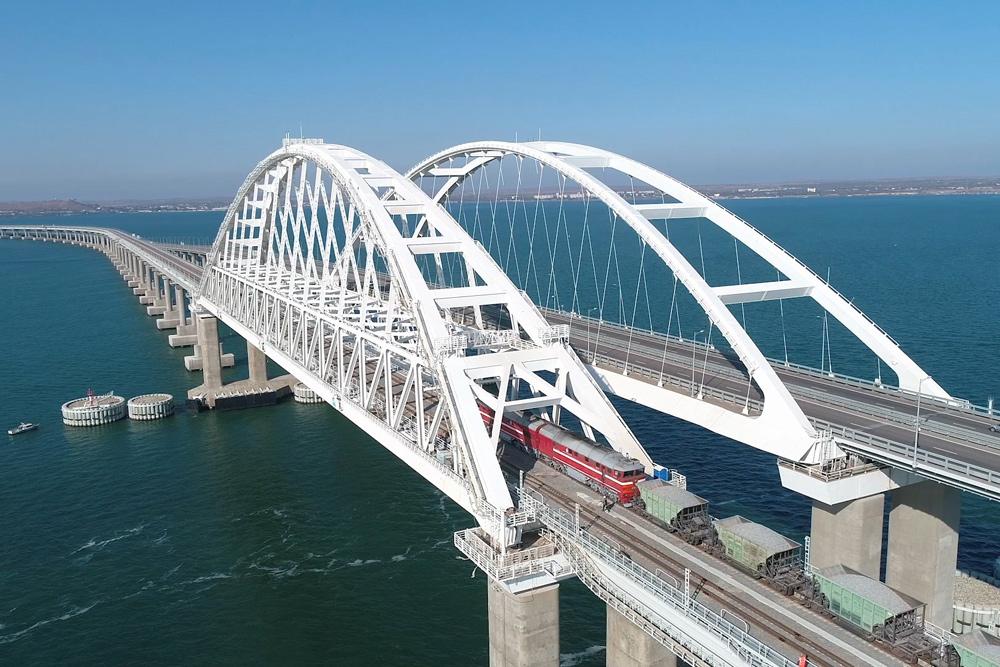
Ukraine has threatened to launch an airstrike on Russia’s £2.7 billion bridge to Crimea, the largest structure of its kind in Europe and of strategic importance to the Putin regime.
The bridge, which links southern Russia to the annexed peninsula, was opened by Vladimir Putin in 2018 to condemnation from the West.
Oleksiy Danilov, chairman of the Ukrainian National Security and Defence Council, said Russia has been using the 12-mile (19-kilometre) bridge spanning the Strait of Kerch to send troops and weapons from Russia into Crimea and then into southern Ukraine.
“It would be good if our partners could provide us with something that we could use to reach (the bridge),” he told the NV radio station. “It would solve a lot of issues for us.”
Mr Putin's spokesman on Thursday described Mr Danilov’s remarks as “nothing short of an announcement of an upcoming terrorist attack.”
“This is unacceptable,” Dmirty Peskov said.
“Clearly, we see signs of what should receive a legal assessment and entail the appropriate penalty.”
Mr Peskov also said the bridge, which links southern Russia to Crimea, is under heavy guard that should prevent possible attacks.
Bridge opened in 2018
Ukraine blocked shipments of supplies via its territory to Crimea after Russia annexed the peninsula in 2014. Crimea had to rely on air and ferry transportation before the bridge was inaugurated in 2018.
Putin personally opened traffic over the Strait of Kerch by driving a truck across the bridge.
The project was so expensive that several Russian regions complained they had to put off pressing infrastructure upgrades after funds were diverted.
The bridge was built by a construction company owned by Arkady Rotenberg, a childhood friend of Putin.
Margarita Simonyan, the head of RT and a chief Kremlin propagandist, wrote the screenplay for a critically panned 2018 rom-com called “Crimea Bridge” in the wake of its opening.


 Latest news
Latest news
Latest newsBulgaria Asks NATO to Strengthen Its Defences Amid Black Sea Threats: Sofia Fears Growing Risks to Maritime Shipping
16.Oct.2026
Black Sea Shipping Risks Threaten Bulgaria’s 5 Million Tonnes of Wheat Exports
15.Oct.2026
Georgia’s Foreign Funding and Political Ban Laws Draw Criticism from the Venice Commission
15.Oct.2026
Kazakhstan Promotes a Caspian Green Energy Corridor: Astana Seeks New Routes to the European Market
14.Oct.2026
Inflation in Romania Accelerates to 6.61%: Rising Prices Increase Pressure on Households and the Economy
13.Oct.2026
Can Europe Protect the International Criminal Court from Trump’s Sanctions?
13.Oct.2026
Georgia’s Constitutional Court Continues Case on Banning Opposition Parties: Political Pluralism at Stake
12.Oct.2026
Azerbaijan and Iran Step Up Security Contacts Amid Hijab Protests
12.Oct.2026
Personnel Shortages Complicate Ukrainian Forces’ Rotation: Ukraine Faces Long-Term Challenges on the Front Line
11.Oct.2026
Trump Eases Sanctions on Russian Fuel After Talks with Putin: Kyiv Fears Boost to Moscow’s War Revenues
10.Oct.2026
Putin Seeks to Strengthen Russia’s Influence in the Post-Soviet Space Through the CIS
10.Oct.2026
Russia and the South Caucasus: External Pressure, Political Competition and a Crisis of Trust
10.Oct.2026
Peaceful Settlement Between Armenia and Azerbaijan: Moving from Declarations to Implementation
10.Oct.2026
Moldova Ready to Accept as Many Ukrainians as Necessary if Situation Worsens This Winter
09.Oct.2026
Turkmenistan Turns Avaza into a Regional Diplomatic Hub as Caspian, Central Asian and CIS Agendas Converge
08.Oct.2026