
 17 Oct 2026









Kazakh leader urges Russia and Ukraine to reach understanding, ready to mediate
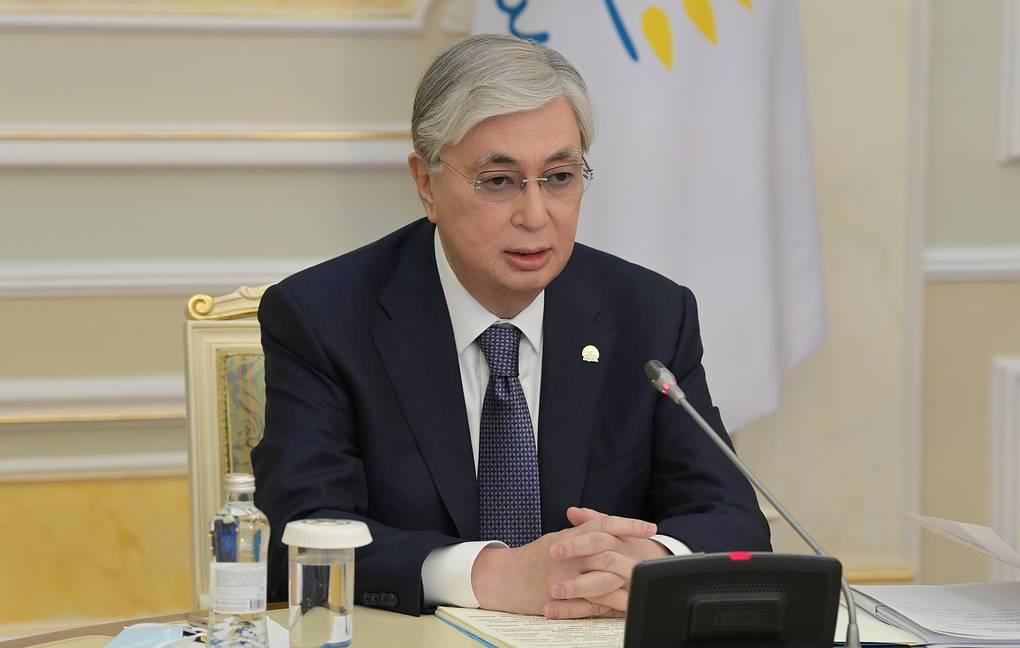
According to Kassym-Jomart Tokayev, Kazakhstan insists on the principle of the indivisibility of Eurasian security
Kazakhstan calls on Russia and Ukraine to the search of understanding and expresses readiness to act as a mediator if necessary, according to President Kassym-Jomart Tokayev, who chairs the Nur Otan ruling party that was decided to be renamed Amanat.
"Our stance should proceed from the critical need to ensure the safety, sovereignty and territorial integrity of our country. As a state that hosted the OSCE summit in 2010, we insist on the principle of the indivisibility of Eurasian security. I said this during my visit to Moscow on February 10," the president noted.
According to Tokayev, this principle stipulates mutual understanding based on mutual trust. "Unfortunately, this did not happen. The Minsk agreements remained on paper, which resulted in military operations in Ukraine. We call on both states to find a common ground and reach agreements. For its part, Kazakhstan is ready to provide all possible assistance, including mediation services if necessary," the Kazakh leader said.
The president also recalled that he had already held several working meetings in the Security Council, setting some specific tasks for the government to ensure sustainable socio-economic development of Kazakhstan amid the recent developments. "Our economy needs to be ready to repel the challenges posed by sanctions to ensure uninterrupted functioning in a crisis situation. I believe that we will overcome the upcoming difficulties and challenges together. They should not be underestimated, but there is no need to exaggerate them as well," the head of state pointed out.


 Latest news
Latest news
Latest newsBulgaria Asks NATO to Strengthen Its Defences Amid Black Sea Threats: Sofia Fears Growing Risks to Maritime Shipping
16.Oct.2026
Black Sea Shipping Risks Threaten Bulgaria’s 5 Million Tonnes of Wheat Exports
15.Oct.2026
Georgia’s Foreign Funding and Political Ban Laws Draw Criticism from the Venice Commission
15.Oct.2026
Kazakhstan Promotes a Caspian Green Energy Corridor: Astana Seeks New Routes to the European Market
14.Oct.2026
Inflation in Romania Accelerates to 6.61%: Rising Prices Increase Pressure on Households and the Economy
13.Oct.2026
Can Europe Protect the International Criminal Court from Trump’s Sanctions?
13.Oct.2026
Georgia’s Constitutional Court Continues Case on Banning Opposition Parties: Political Pluralism at Stake
12.Oct.2026
Azerbaijan and Iran Step Up Security Contacts Amid Hijab Protests
12.Oct.2026
Personnel Shortages Complicate Ukrainian Forces’ Rotation: Ukraine Faces Long-Term Challenges on the Front Line
11.Oct.2026
Trump Eases Sanctions on Russian Fuel After Talks with Putin: Kyiv Fears Boost to Moscow’s War Revenues
10.Oct.2026
Putin Seeks to Strengthen Russia’s Influence in the Post-Soviet Space Through the CIS
10.Oct.2026
Russia and the South Caucasus: External Pressure, Political Competition and a Crisis of Trust
10.Oct.2026
Peaceful Settlement Between Armenia and Azerbaijan: Moving from Declarations to Implementation
10.Oct.2026
Moldova Ready to Accept as Many Ukrainians as Necessary if Situation Worsens This Winter
09.Oct.2026
Turkmenistan Turns Avaza into a Regional Diplomatic Hub as Caspian, Central Asian and CIS Agendas Converge
08.Oct.2026