
 17 Oct 2026









U.S. to Russia: "Let’s engage in dialogue, not confrontation"
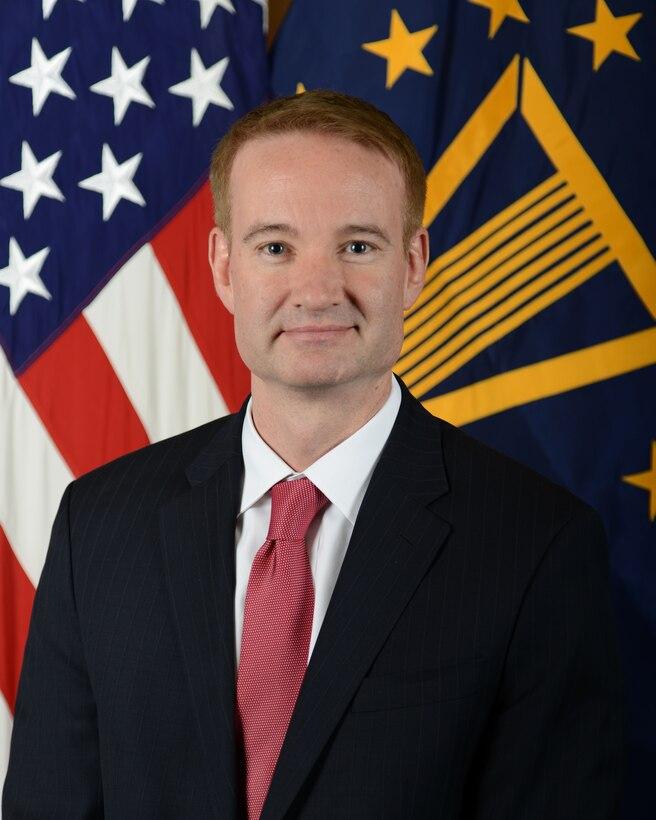
A key U.S. ambassador on Tuesday reiterated calls to Moscow to "engage in dialogue and diplomacy, not conflict and confrontation", as Russia, he said, "has locked and loaded its guns and it’s pointing them at Ukraine", TURAN's Washington correspondent reports.
"We’re ready to participate in a genuinely open, honest dialogue that hopefully produces concrete results by lowering tensions, providing more transparency, and building greater confidence," the U.S. Ambassador to the OSCE Michael Carpenter told reporters in a briefing organised by the State Department's Brussels Media Hub.
"We’re willing to explore creative new ideas. But everything we do has to be grounded in respect for our core principles – the principles that all 57 OSCE states signed up to repeatedly over the last five decades and, in fact, more: sovereignty, territorial integrity, the inviolability of borders, peaceful settlement of disputes. These principles cannot be revised or renegotiated," Carpenter said.
The OSCE on Tuesday held the inaugural meeting of the Renewed European Security Dialogue in Vienna. The meeting was the initiative of Polish Foreign Minister Zbigniew Rau, the OSCE chairman.
The dialogue "represents an opportunity for all 57 OSCE participating states to walk the path of diplomacy together with an aim of achieving concrete, practical results that enhance our mutual security," Carpenter said, adding that "no one thinks this is going to be an easy discussion, but it’s a necessary one, and if we wish to avoid conflict, it’s essential."
Russia, he said, "has made clear" that it wishes to discuss indivisibility of security, and "frankly, we’re ready and willing to have that discussion."
Washington in its turn "made clear" indivisibility of security does not mean one country can threaten force against another; invade another country’s territory or get to veto another country’s choice of alliances or dictate its foreign policy, as Deputy Secretary of State Wendy Sherman put it.
Asked what was there for Moscow and Washington to talk about, Carpenter told TURAN's Washington correspondent that there is no "trade space" on the core principles of the international order, and that means "no trade space on sovereignty, on territorial integrity, on no allowance for spheres of influence, no ability of one state to veto another state’s foreign policy or its decision whether to join or not join alliances. That’s all off the table".
But what is on the table is discussion in detail on issues like missile placement in Europe, military transparency, confidence building measures.
"There’s any number of ideas pertaining to conventional arms control writ large in the broadest meaning of that term that we would be happy to discuss with Russia if they want to get down and have a serious discussion of specifics," he said.
"We’re willing to drill down on those topics, but we’re not willing to entertain dilutions or renegotiations of our core principles," he concluded.
Alex Raufoglu
Washington D.C.


 Latest news
Latest news
Latest newsBulgaria Asks NATO to Strengthen Its Defences Amid Black Sea Threats: Sofia Fears Growing Risks to Maritime Shipping
16.Oct.2026
Black Sea Shipping Risks Threaten Bulgaria’s 5 Million Tonnes of Wheat Exports
15.Oct.2026
Georgia’s Foreign Funding and Political Ban Laws Draw Criticism from the Venice Commission
15.Oct.2026
Kazakhstan Promotes a Caspian Green Energy Corridor: Astana Seeks New Routes to the European Market
14.Oct.2026
Inflation in Romania Accelerates to 6.61%: Rising Prices Increase Pressure on Households and the Economy
13.Oct.2026
Can Europe Protect the International Criminal Court from Trump’s Sanctions?
13.Oct.2026
Georgia’s Constitutional Court Continues Case on Banning Opposition Parties: Political Pluralism at Stake
12.Oct.2026
Azerbaijan and Iran Step Up Security Contacts Amid Hijab Protests
12.Oct.2026
Personnel Shortages Complicate Ukrainian Forces’ Rotation: Ukraine Faces Long-Term Challenges on the Front Line
11.Oct.2026
Trump Eases Sanctions on Russian Fuel After Talks with Putin: Kyiv Fears Boost to Moscow’s War Revenues
10.Oct.2026
Putin Seeks to Strengthen Russia’s Influence in the Post-Soviet Space Through the CIS
10.Oct.2026
Russia and the South Caucasus: External Pressure, Political Competition and a Crisis of Trust
10.Oct.2026
Peaceful Settlement Between Armenia and Azerbaijan: Moving from Declarations to Implementation
10.Oct.2026
Moldova Ready to Accept as Many Ukrainians as Necessary if Situation Worsens This Winter
09.Oct.2026
Turkmenistan Turns Avaza into a Regional Diplomatic Hub as Caspian, Central Asian and CIS Agendas Converge
08.Oct.2026