
 17 Oct 2026









PM Garibashvili announces start of medication imports from Turkey to reduce local costs
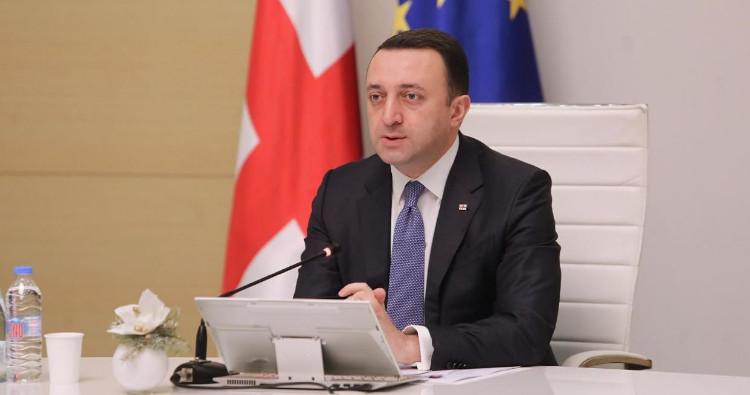
Georgia will import high-quality medicines from Turkey to effect a “significant” reduction of the cost of drugs on the Georgian market, Prime Minister Irakli Garibashvili said in a government session on Monday.
The Georgian PM made the announcement as an update on a recent initiative of his team to ensure a reduction of the general prices of medicine for citizens, citing the considerable gap between the cost of the drugs produced using good manufacturing practices (GMP) on the Turkish market and Georgia.
"As promised, we signed the government decree today - the Turkish market has already been opened and high quality GMP-standard medications and pharmaceutical drugs will be imported”, the PM said.
Garibashvili gave examples of the costs of some of the most in-demand drugs on the local market reaching 10 GEL ($3.2/€2.8), in contrast to their equivalents only costing between 1-2 GEL in Turkey.
The head of the government added he hoped importing companies would ensure “high-quality medicines” would enter the local market through the move, adding the Georgian National Competition Agency had completed the work on a market research and sent relevant recommendations to both the parliament and the government.
Garibashvili stressed the importance of monitoring medication prices, revealing a working group involving MPs from relevant parliamentary committees and the health ministry would be set up to work on the legislation for further work on medication costs.


 Latest news
Latest news
Latest newsBulgaria Asks NATO to Strengthen Its Defences Amid Black Sea Threats: Sofia Fears Growing Risks to Maritime Shipping
16.Oct.2026
Black Sea Shipping Risks Threaten Bulgaria’s 5 Million Tonnes of Wheat Exports
15.Oct.2026
Georgia’s Foreign Funding and Political Ban Laws Draw Criticism from the Venice Commission
15.Oct.2026
Kazakhstan Promotes a Caspian Green Energy Corridor: Astana Seeks New Routes to the European Market
14.Oct.2026
Inflation in Romania Accelerates to 6.61%: Rising Prices Increase Pressure on Households and the Economy
13.Oct.2026
Can Europe Protect the International Criminal Court from Trump’s Sanctions?
13.Oct.2026
Georgia’s Constitutional Court Continues Case on Banning Opposition Parties: Political Pluralism at Stake
12.Oct.2026
Azerbaijan and Iran Step Up Security Contacts Amid Hijab Protests
12.Oct.2026
Personnel Shortages Complicate Ukrainian Forces’ Rotation: Ukraine Faces Long-Term Challenges on the Front Line
11.Oct.2026
Trump Eases Sanctions on Russian Fuel After Talks with Putin: Kyiv Fears Boost to Moscow’s War Revenues
10.Oct.2026
Putin Seeks to Strengthen Russia’s Influence in the Post-Soviet Space Through the CIS
10.Oct.2026
Russia and the South Caucasus: External Pressure, Political Competition and a Crisis of Trust
10.Oct.2026
Peaceful Settlement Between Armenia and Azerbaijan: Moving from Declarations to Implementation
10.Oct.2026
Moldova Ready to Accept as Many Ukrainians as Necessary if Situation Worsens This Winter
09.Oct.2026
Turkmenistan Turns Avaza into a Regional Diplomatic Hub as Caspian, Central Asian and CIS Agendas Converge
08.Oct.2026