
 17 Oct 2026









Greece completes border wall extension to deter potential Afghan migrants
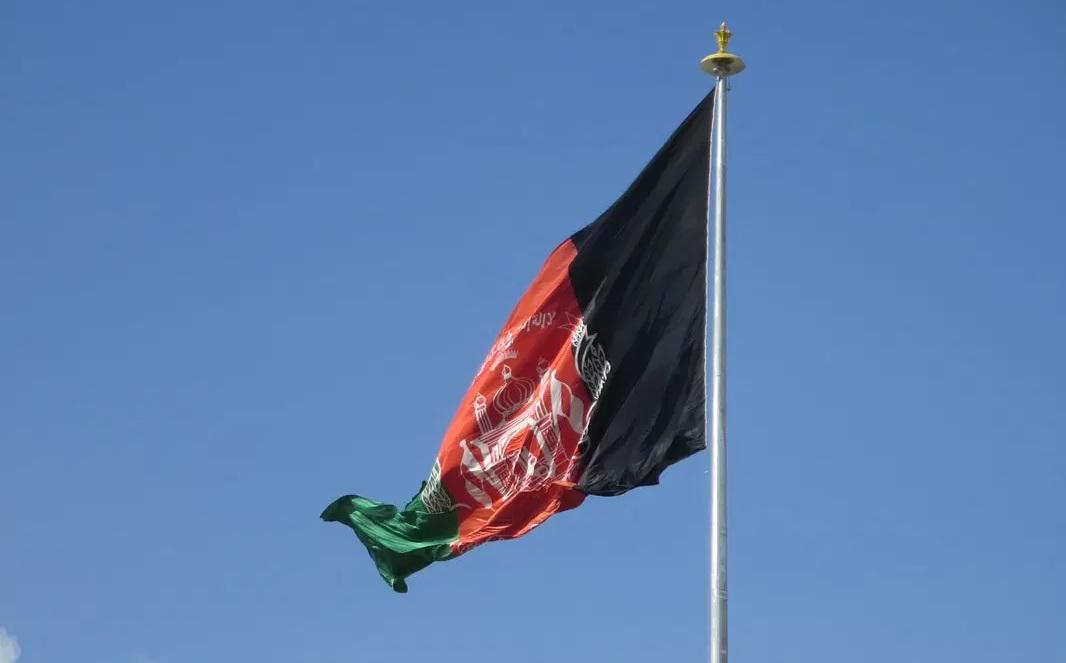
Greece said it had completed a 40-km fence on its border with Turkey and a new surveillance system was in place to stop possible asylum seekers from trying to reach Europe following the Taliban's takeover of Afghanistan, Reuters reports.
Events in Afghanistan have fuelled fears in the European Union of a repeat of the 2015 refugee crisis, when nearly a million people fleeing war and poverty in the Middle East and beyond crossed to Greece from Turkey before travelling north to wealthier states.
Greece was on the frontline of that crisis and has said its border forces are on alert to make sure it does not become Europe's gateway again. read more
The Afghanistan crisis had created "possibilities for migrant flows," Citizens' Protection Minister Michalis Chrisochoidis said after visiting the region of Evros on Friday with the defence minister and the head of the armed forces.
"We cannot wait, passively, for the possible impact," Chrisochoidis told reporters. "Our borders will remain safe and inviolable."
Chrisochoidis said the extension to the existing 12.5-kilometre fence had been completed in recent days, as well as a hi-tech, automated electronic monitoring system.
Migrant arrivals to Greece, either by land or by sea, have overall slowed to a trickle since 2016, when the EU agreed a deal with Turkey to stem the flows in exchange for financial support.
Prime Minister Kyriakos Mitsotakis and Turkish President Tayyip Erdogan discussed Afghanistan on the phone on Friday, with Erdogan saying Afghanistan and Iran - a key route for Afghans into Turkey - should be supported or a new migration wave was "inevitable," a statement from his office said.


 Latest news
Latest news
Latest newsBulgaria Asks NATO to Strengthen Its Defences Amid Black Sea Threats: Sofia Fears Growing Risks to Maritime Shipping
16.Oct.2026
Black Sea Shipping Risks Threaten Bulgaria’s 5 Million Tonnes of Wheat Exports
15.Oct.2026
Georgia’s Foreign Funding and Political Ban Laws Draw Criticism from the Venice Commission
15.Oct.2026
Kazakhstan Promotes a Caspian Green Energy Corridor: Astana Seeks New Routes to the European Market
14.Oct.2026
Inflation in Romania Accelerates to 6.61%: Rising Prices Increase Pressure on Households and the Economy
13.Oct.2026
Can Europe Protect the International Criminal Court from Trump’s Sanctions?
13.Oct.2026
Georgia’s Constitutional Court Continues Case on Banning Opposition Parties: Political Pluralism at Stake
12.Oct.2026
Azerbaijan and Iran Step Up Security Contacts Amid Hijab Protests
12.Oct.2026
Personnel Shortages Complicate Ukrainian Forces’ Rotation: Ukraine Faces Long-Term Challenges on the Front Line
11.Oct.2026
Trump Eases Sanctions on Russian Fuel After Talks with Putin: Kyiv Fears Boost to Moscow’s War Revenues
10.Oct.2026
Putin Seeks to Strengthen Russia’s Influence in the Post-Soviet Space Through the CIS
10.Oct.2026
Russia and the South Caucasus: External Pressure, Political Competition and a Crisis of Trust
10.Oct.2026
Peaceful Settlement Between Armenia and Azerbaijan: Moving from Declarations to Implementation
10.Oct.2026
Moldova Ready to Accept as Many Ukrainians as Necessary if Situation Worsens This Winter
09.Oct.2026
Turkmenistan Turns Avaza into a Regional Diplomatic Hub as Caspian, Central Asian and CIS Agendas Converge
08.Oct.2026