
 17 Oct 2026









Why Baku needs stable Armenia?
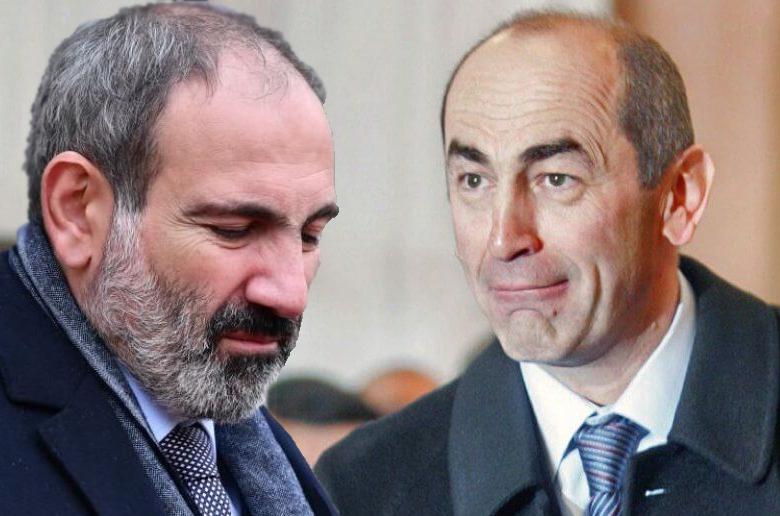
With parliamentary elections in Armenia approaching on June 20, its neighbors in Azerbaijan are watching particularly closely. The outcome of the vote will determine the immediate future of the conflict between Yerevan and Baku, which is far from over after the end of fighting last year that saw Azerbaijan regain many of its territories in and around Nagorno-Karabakh. As Euriasianet writes, key issues that remain to be resolved include the final status of Nagorno-Karabakh, the demarcation of borders between the two countries, and the re-establishment of transportation connections, as stipulated in the November 10 ceasefire statement.
From Baku’s perspective, what matters is not only the result of the Armenian elections but also the process leading up to it. Armenian society is badly polarized, with the incumbent prime minister, Nikol Pashinyan, and his main rival, former president Robert Kocharyan, exchanging threats and insults and engaging in populist and irredentist rhetoric. There appears to be a real risk of confrontation spilling into the streets.
Armenian polarization benefits Azerbaijan in two major ways. First, an erosion of state institutions – exemplified by mass resignations at the foreign ministry – means there is no capacity to devote energy and political capital to the fate of Karabakh.
Second, Armenia will be seen as a failing state while contrasting with Baku's functioning institutions. This implies that Baku's stability is preferable to the chaos and defeat that democracy brought to Armenia.
It also vindicates the Azerbaijani regime’s skepticism about “Western values” and closer ties with Europe. Although Armenia after 2018 made some strides in liberalization following Western models and signed a cooperation agreement with the European Union, in its hour of need the EU didn’t rush to its defense.
Azerbaijan’s president Ilham Aliyev understood that the key to his diplomatic and military success lies in cultivating his Russian counterpart Vladimir Putin, formally a treaty ally of Armenia. Aliyev and Putin “get” each other. Conversely, as a populist leader who came to power via a revolution, Pashinyan has never truly belonged to the club.
Azerbaijan is interested in establishing a land corridor to its exclave of Nakhichevan through Armenian territory. This is a project in which Azerbaijan’s main allies, Turkey, has a particular stake as it would open direct land access to the Turkic republics further east in Central Asia.
For that strategy to develop, Baku needs a government in Armenia capable of delivering on the trilateral statement, in particular the creation of the Nakhchivan transport route. The idea is deeply unpopular in Armenia as it is seen as threatening Armenian sovereignty. A collapse of Armenian statehood, however, would render that agreement unimplementable.
That would put Azerbaijan in a quandary. Kocharyan’s victory could likewise jeopardize Azerbaijan’s plans and introduce a further element of uncertainty. Running as the “anti-Pashinyan,” he is openly critical about the trilateral statement and has denounced the provision of the land corridor as unacceptable. He would be less hesitant to use force to evict Azerbaijani soldiers than Pashinyan. Also unlike Pashinyan, Kocharyan always has had good chemistry with Putin and has declared that his foreign policy would be unambiguously pro-Russian. It remains to be seen whether Moscow will respond to these overtures by tilting towards Armenia.
Given the alternatives – prolonged instability or Kocharyan’s restoration – Pashinyan’s victory in the upcoming elections is probably the best option for Baku to achieve its objectives. With renewed domestic legitimacy, but externally weak and dependent, he may be the only one capable of delivering on the agreement he himself signed.


 Latest news
Latest news
Latest newsBulgaria Asks NATO to Strengthen Its Defences Amid Black Sea Threats: Sofia Fears Growing Risks to Maritime Shipping
16.Oct.2026
Black Sea Shipping Risks Threaten Bulgaria’s 5 Million Tonnes of Wheat Exports
15.Oct.2026
Georgia’s Foreign Funding and Political Ban Laws Draw Criticism from the Venice Commission
15.Oct.2026
Kazakhstan Promotes a Caspian Green Energy Corridor: Astana Seeks New Routes to the European Market
14.Oct.2026
Inflation in Romania Accelerates to 6.61%: Rising Prices Increase Pressure on Households and the Economy
13.Oct.2026
Can Europe Protect the International Criminal Court from Trump’s Sanctions?
13.Oct.2026
Georgia’s Constitutional Court Continues Case on Banning Opposition Parties: Political Pluralism at Stake
12.Oct.2026
Azerbaijan and Iran Step Up Security Contacts Amid Hijab Protests
12.Oct.2026
Personnel Shortages Complicate Ukrainian Forces’ Rotation: Ukraine Faces Long-Term Challenges on the Front Line
11.Oct.2026
Trump Eases Sanctions on Russian Fuel After Talks with Putin: Kyiv Fears Boost to Moscow’s War Revenues
10.Oct.2026
Putin Seeks to Strengthen Russia’s Influence in the Post-Soviet Space Through the CIS
10.Oct.2026
Russia and the South Caucasus: External Pressure, Political Competition and a Crisis of Trust
10.Oct.2026
Peaceful Settlement Between Armenia and Azerbaijan: Moving from Declarations to Implementation
10.Oct.2026
Moldova Ready to Accept as Many Ukrainians as Necessary if Situation Worsens This Winter
09.Oct.2026
Turkmenistan Turns Avaza into a Regional Diplomatic Hub as Caspian, Central Asian and CIS Agendas Converge
08.Oct.2026