
 17 Oct 2026









US Asks Russia to Explain ‘Provocations’ on Ukraine Border
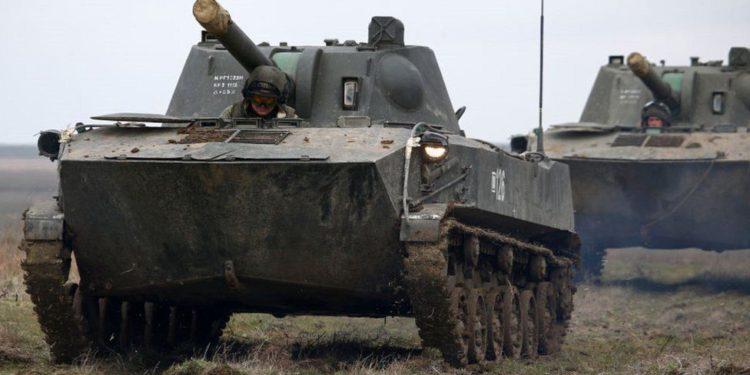
The United States, finding reports of Russian military movements on Ukraine’s border credible, has asked Moscow to explain the “provocations,” and is ready to engage in the situation, the US State Department said Monday.
“The reported Russian troop buildup and movements bordering eastern Ukraine have become the latest point of tension in icy US-Russian relations less than three months after US President Joe Biden took office,” reports Voanews.
State Department spokesman Ned Price told a news briefing that the United States would be concerned by any effort by Moscow to intimidate Ukraine, whether it occurred on Russian territory or within Ukraine.
“We call on Russia to refrain from escalatory actions,” the spokesperson said.
Earlier on Friday, in a phone call with Ukrainian counterpart Volodymyr Zelensky, US President Joe Biden affirmed the United States’ unwavering support for Ukraine’s sovereignty and territorial integrity in the face of Russia’s ongoing aggression in the Donbas and Crimea.
Russia on Monday denied that Russian military movements posed a threat to Ukraine and dismissed fears of a buildup, even as it warned that it would respond to new Ukrainian sanctions against Russian companies.
White House press secretary Jen Psaki told reporters that “recent escalations of Russian aggression and escalation in eastern Ukraine” are “something we’re watching closely.”
Biden’s call with Zelensky came after the transatlantic military alliance NATO voiced concern over Russian troop movements near the eastern Donbas region where Ukrainian troops are in conflict with Russian-backed forces.
By Ana Dumbadze


 Latest news
Latest news
Latest newsBulgaria Asks NATO to Strengthen Its Defences Amid Black Sea Threats: Sofia Fears Growing Risks to Maritime Shipping
16.Oct.2026
Black Sea Shipping Risks Threaten Bulgaria’s 5 Million Tonnes of Wheat Exports
15.Oct.2026
Georgia’s Foreign Funding and Political Ban Laws Draw Criticism from the Venice Commission
15.Oct.2026
Kazakhstan Promotes a Caspian Green Energy Corridor: Astana Seeks New Routes to the European Market
14.Oct.2026
Inflation in Romania Accelerates to 6.61%: Rising Prices Increase Pressure on Households and the Economy
13.Oct.2026
Can Europe Protect the International Criminal Court from Trump’s Sanctions?
13.Oct.2026
Georgia’s Constitutional Court Continues Case on Banning Opposition Parties: Political Pluralism at Stake
12.Oct.2026
Azerbaijan and Iran Step Up Security Contacts Amid Hijab Protests
12.Oct.2026
Personnel Shortages Complicate Ukrainian Forces’ Rotation: Ukraine Faces Long-Term Challenges on the Front Line
11.Oct.2026
Trump Eases Sanctions on Russian Fuel After Talks with Putin: Kyiv Fears Boost to Moscow’s War Revenues
10.Oct.2026
Putin Seeks to Strengthen Russia’s Influence in the Post-Soviet Space Through the CIS
10.Oct.2026
Russia and the South Caucasus: External Pressure, Political Competition and a Crisis of Trust
10.Oct.2026
Peaceful Settlement Between Armenia and Azerbaijan: Moving from Declarations to Implementation
10.Oct.2026
Moldova Ready to Accept as Many Ukrainians as Necessary if Situation Worsens This Winter
09.Oct.2026
Turkmenistan Turns Avaza into a Regional Diplomatic Hub as Caspian, Central Asian and CIS Agendas Converge
08.Oct.2026