
 17 Oct 2026









Armenia focused on broad and lasting military-technical cooperation with Russia – PM
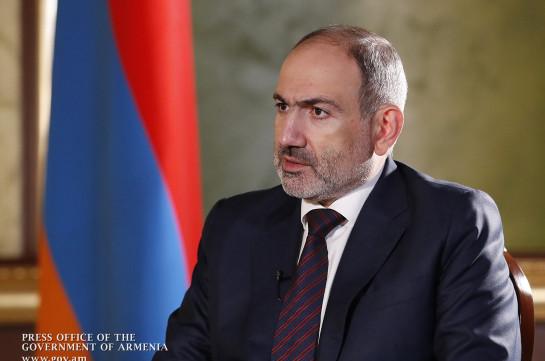
Armenia is focused on broad and lasting military-technical cooperation with Russia which derives from lasting and strategic interests of the two states, Armenia’s Prime Minister Nikol Pashinyan said in an interview to Russian Interfax.
“Taking into consideration that in the territory of Armenia two Armenian-Russian groups have been created and are functioning – the United Group of Forces and CSTO United Regional System of Air Defense in the Caucasian region – and that the two countries are CSTO member states in the format of which collective troops have been created, it is clear that Armenia is extremely interested in supplies from Russia to have contemporary and compatible arms and ammunition together with the Russian Federation and other CSTO allies,” he said, adding that with the same reason Armenia is interested in the delivery of arms and ammunitions to Armenia in the same bundling as for the Russian Armed Forces.
Asked whether Armenia will continue purchasing Russian weapon and SU-30SM fighters and ammunition for them in particular, the PM said, “I will give positive answer to the type of jet you mentioned because these are contemporary multi-functional fighters and their purchase is envisaged both by bilateral contracts and by the program of development of national armed forces.”
Pashinyan also stated that decisions on new Russian loan for acquiring weapon and on the needs of Yerevan will be made based on the results of the reforms in the army which are now being implemented.
“In this phase I see no reason to discuss the funding sources and the structure separated from the goals and the issues which will be predicated in the process of reforms in the army. As to the ongoing loan commitments, naturally they will be served properly and in time,” the PM stated.


 Latest news
Latest news
Latest newsBulgaria Asks NATO to Strengthen Its Defences Amid Black Sea Threats: Sofia Fears Growing Risks to Maritime Shipping
16.Oct.2026
Black Sea Shipping Risks Threaten Bulgaria’s 5 Million Tonnes of Wheat Exports
15.Oct.2026
Georgia’s Foreign Funding and Political Ban Laws Draw Criticism from the Venice Commission
15.Oct.2026
Kazakhstan Promotes a Caspian Green Energy Corridor: Astana Seeks New Routes to the European Market
14.Oct.2026
Inflation in Romania Accelerates to 6.61%: Rising Prices Increase Pressure on Households and the Economy
13.Oct.2026
Can Europe Protect the International Criminal Court from Trump’s Sanctions?
13.Oct.2026
Georgia’s Constitutional Court Continues Case on Banning Opposition Parties: Political Pluralism at Stake
12.Oct.2026
Azerbaijan and Iran Step Up Security Contacts Amid Hijab Protests
12.Oct.2026
Personnel Shortages Complicate Ukrainian Forces’ Rotation: Ukraine Faces Long-Term Challenges on the Front Line
11.Oct.2026
Trump Eases Sanctions on Russian Fuel After Talks with Putin: Kyiv Fears Boost to Moscow’s War Revenues
10.Oct.2026
Putin Seeks to Strengthen Russia’s Influence in the Post-Soviet Space Through the CIS
10.Oct.2026
Russia and the South Caucasus: External Pressure, Political Competition and a Crisis of Trust
10.Oct.2026
Peaceful Settlement Between Armenia and Azerbaijan: Moving from Declarations to Implementation
10.Oct.2026
Moldova Ready to Accept as Many Ukrainians as Necessary if Situation Worsens This Winter
09.Oct.2026
Turkmenistan Turns Avaza into a Regional Diplomatic Hub as Caspian, Central Asian and CIS Agendas Converge
08.Oct.2026