
 17 Oct 2026









Why did Turkey buy Russian S-400 air defense systems?
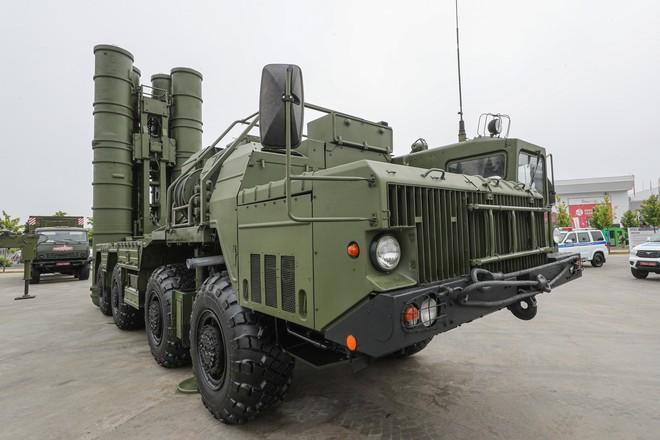
The Turkish authorities decided to purchase the Russian S-400 air defense systems to strengthen their Air Forces, which lost many pilots after the coup attempt in 2016, The National Interest reports.
Fighter pilots aren’t cheap. The US Air Force estimates that training a new pilot to fly a plane like the F-35 costs $11 million. And that doesn’t count the priceless experience of a veteran pilot who has been flying for years. That’s why the US Air Force is willing to offer half-million-dollar bonuses to retain experienced fighter pilots.
The trouble began on July 15, 2016, when members of Turkey’s military ‘allegedly’ launched a coup to topple the Islamist government of President Recep Tayyip Erdogan. The word allegedly is used for a reason. Despite being pros at overthrowing civilian governments (with four successful coups between 1960 and 1997), the 2016 effort was laughable, the report said.
As Erdogan was flying back to Istanbul from vacation, two Turkish Air Force F-16s had his aircraft in their sights but failed to shoot it down.
In the aftermath of July 15, with the operations against the Turkish Armed Forces, there was a reduction in the number of F-16 pilots, creating a need to develop our air defense. This is the reason for the S-400 purchase, said Turkish analyst Verda Ozer.


 Latest news
Latest news
Latest newsBulgaria Asks NATO to Strengthen Its Defences Amid Black Sea Threats: Sofia Fears Growing Risks to Maritime Shipping
16.Oct.2026
Black Sea Shipping Risks Threaten Bulgaria’s 5 Million Tonnes of Wheat Exports
15.Oct.2026
Georgia’s Foreign Funding and Political Ban Laws Draw Criticism from the Venice Commission
15.Oct.2026
Kazakhstan Promotes a Caspian Green Energy Corridor: Astana Seeks New Routes to the European Market
14.Oct.2026
Inflation in Romania Accelerates to 6.61%: Rising Prices Increase Pressure on Households and the Economy
13.Oct.2026
Can Europe Protect the International Criminal Court from Trump’s Sanctions?
13.Oct.2026
Georgia’s Constitutional Court Continues Case on Banning Opposition Parties: Political Pluralism at Stake
12.Oct.2026
Azerbaijan and Iran Step Up Security Contacts Amid Hijab Protests
12.Oct.2026
Personnel Shortages Complicate Ukrainian Forces’ Rotation: Ukraine Faces Long-Term Challenges on the Front Line
11.Oct.2026
Trump Eases Sanctions on Russian Fuel After Talks with Putin: Kyiv Fears Boost to Moscow’s War Revenues
10.Oct.2026
Putin Seeks to Strengthen Russia’s Influence in the Post-Soviet Space Through the CIS
10.Oct.2026
Russia and the South Caucasus: External Pressure, Political Competition and a Crisis of Trust
10.Oct.2026
Peaceful Settlement Between Armenia and Azerbaijan: Moving from Declarations to Implementation
10.Oct.2026
Moldova Ready to Accept as Many Ukrainians as Necessary if Situation Worsens This Winter
09.Oct.2026
Turkmenistan Turns Avaza into a Regional Diplomatic Hub as Caspian, Central Asian and CIS Agendas Converge
08.Oct.2026