
 17 Oct 2026









Poland Rules Out Transfer of MiG-29 Fighter Jets to Ukraine, Links Military Aid to Drone Technology Cooperation
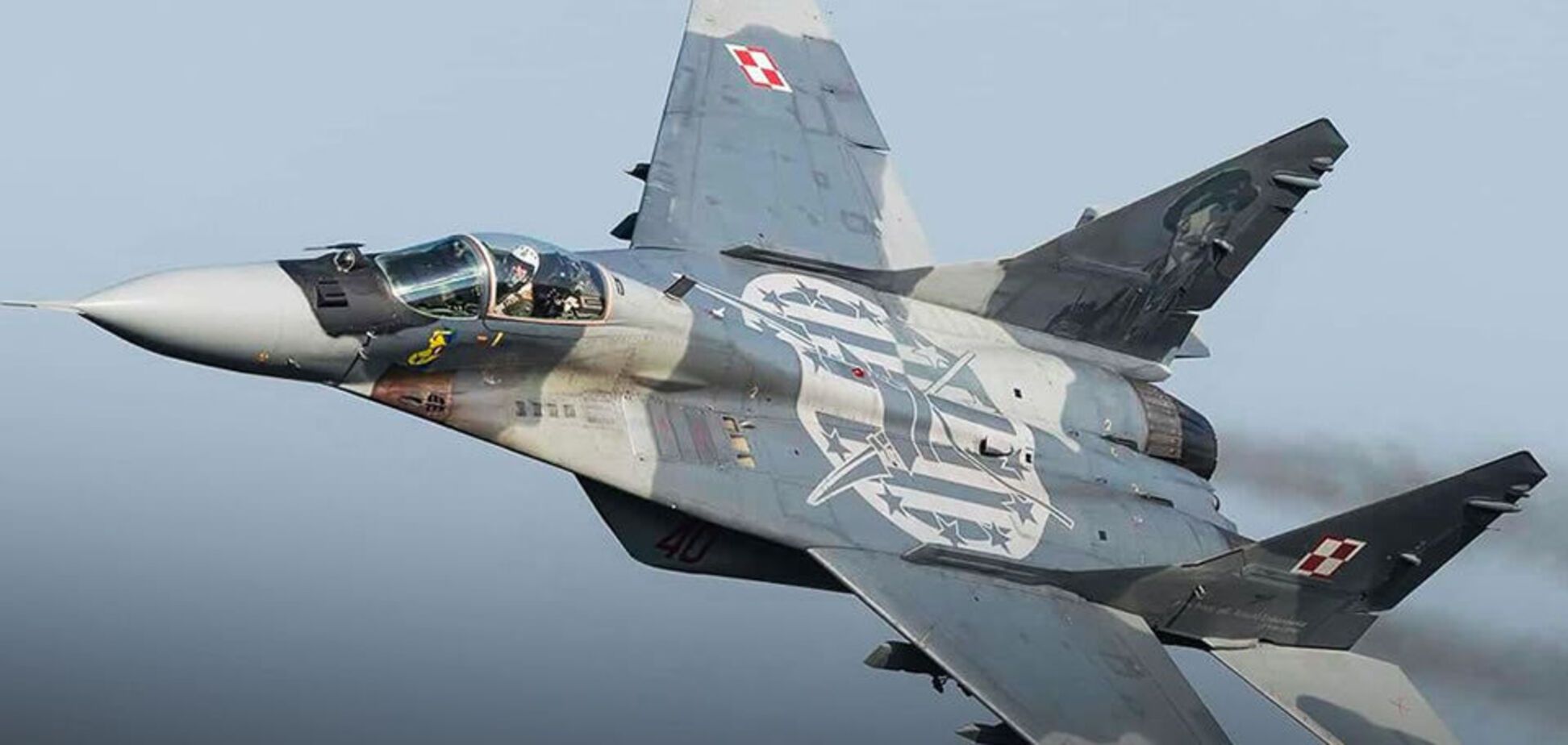
Poland will not transfer its remaining MiG-29 fighter jets to Ukraine, Polish Minister of National Defence Władysław Kosiniak-Kamysz has announced, explaining that Kyiv failed to fulfill previously discussed agreements on cooperation in the field of drone technologies.
According to the Polish defense chief, Warsaw had proposed a partnership based on the principle of "MiGs in exchange for drones." Under the arrangement, Ukraine was expected to share its battlefield experience and technological expertise in the development and deployment of unmanned aerial systems, while Poland would provide its remaining Soviet-designed MiG-29 fighters. However, the minister said that the Ukrainian side did not implement the agreed commitments, leading Warsaw to abandon the aircraft transfer.
Kosiniak-Kamysz's statement confirms a position that had already begun to emerge earlier this month. In mid-June, Deputy Defence Minister Cezary Tomczyk indicated that the delivery of MiG-29s had been suspended until Ukraine fulfilled its obligations regarding technological cooperation in the drone sector.
Poland has remained one of Ukraine's largest military supporters since the start of Russia's full-scale invasion. Warsaw has supplied Kyiv with tanks, artillery systems, armored vehicles, ammunition, and part of its MiG-29 fleet. The remaining aircraft, however, continue to play an important role in Poland's own air defense during the transition from Soviet-era platforms to modern Western aircraft, including the F-16 and the incoming F-35 fleet. As a result, discussions over the transfer of the last MiG-29s have increasingly been accompanied by political and technological conditions.
Defense analysts argue that the dispute reflects a broader transformation in military-technical cooperation between Ukraine and its allies. While the initial phase of the war was characterized primarily by large-scale arms deliveries, technological expertise has now become an increasingly valuable strategic asset. Ukraine's extensive combat experience in developing and employing unmanned aerial systems is viewed by many European countries as one of the most significant sources of practical military innovation.
At the same time, Warsaw's decision illustrates a more pragmatic approach to military assistance. Poland appears willing to continue supporting Ukraine but is increasingly aligning its aid with its own national security priorities and the development of its domestic defense industry. This suggests that cooperation between Kyiv and its European partners may gradually evolve from one-way military assistance toward a model based on reciprocal exchanges of technology, expertise, and industrial capabilities.


 Latest news
Bulgaria Asks NATO to Strengthen Its Defences Amid Black Sea Threats: Sofia Fears Growing Risks to Maritime Shipping
16.Oct.2026
Black Sea Shipping Risks Threaten Bulgaria’s 5 Million Tonnes of Wheat Exports
15.Oct.2026
Georgia’s Foreign Funding and Political Ban Laws Draw Criticism from the Venice Commission
15.Oct.2026
Kazakhstan Promotes a Caspian Green Energy Corridor: Astana Seeks New Routes to the European Market
14.Oct.2026
Inflation in Romania Accelerates to 6.61%: Rising Prices Increase Pressure on Households and the Economy
13.Oct.2026
Can Europe Protect the International Criminal Court from Trump’s Sanctions?
13.Oct.2026
Georgia’s Constitutional Court Continues Case on Banning Opposition Parties: Political Pluralism at Stake
12.Oct.2026
Azerbaijan and Iran Step Up Security Contacts Amid Hijab Protests
12.Oct.2026
Personnel Shortages Complicate Ukrainian Forces’ Rotation: Ukraine Faces Long-Term Challenges on the Front Line
11.Oct.2026
Trump Eases Sanctions on Russian Fuel After Talks with Putin: Kyiv Fears Boost to Moscow’s War Revenues
10.Oct.2026
Putin Seeks to Strengthen Russia’s Influence in the Post-Soviet Space Through the CIS
10.Oct.2026
Russia and the South Caucasus: External Pressure, Political Competition and a Crisis of Trust
10.Oct.2026
Peaceful Settlement Between Armenia and Azerbaijan: Moving from Declarations to Implementation
10.Oct.2026
Moldova Ready to Accept as Many Ukrainians as Necessary if Situation Worsens This Winter
09.Oct.2026
Turkmenistan Turns Avaza into a Regional Diplomatic Hub as Caspian, Central Asian and CIS Agendas Converge
08.Oct.2026