
 17 Oct 2026









Bulgaria Strengthens Defense: Parliament Approves Purchase of Naval Strike Missiles
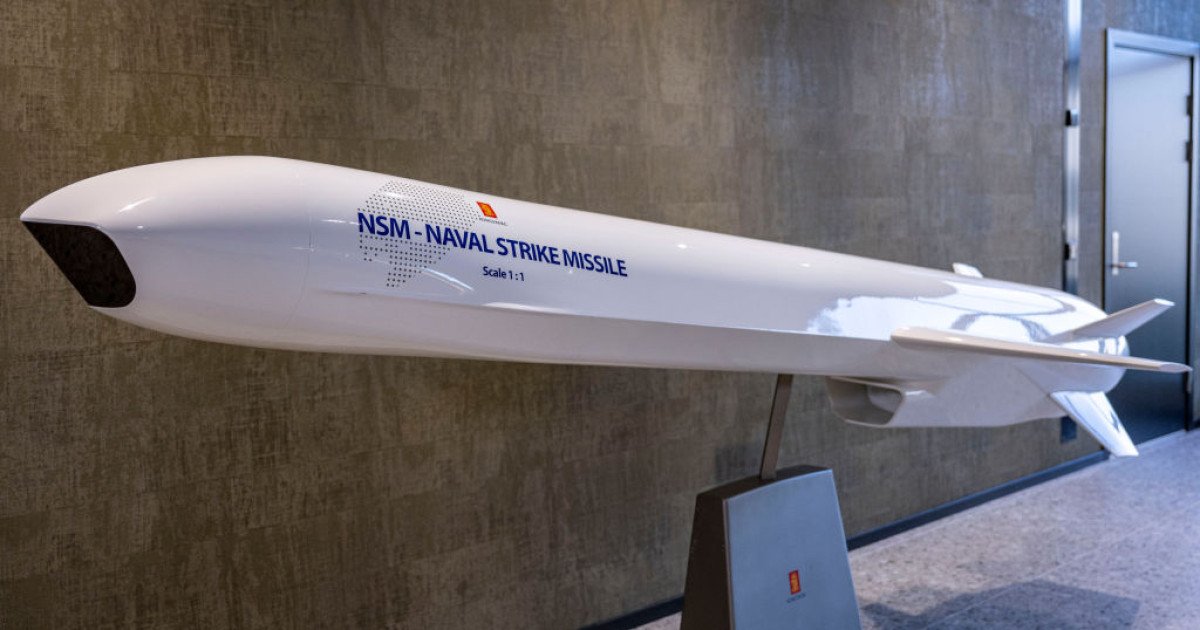
In response to rising tensions in the Black Sea region, the Bulgarian parliament approved the acquisition of modern Naval Strike Missiles, a move seen as a significant step toward strengthening the country’s defense capabilities amid increased military presence near the European Union’s borders. The new weapons are intended to enhance the Bulgarian Navy’s ability to protect maritime borders and reinforce the country’s role as a stable and reliable NATO member in the region.
Bulgarian experts note that acquiring these missiles increases the country’s strategic importance in the Black Sea basin. Given that the Black Sea has become an area of heightened military attention, the ability to effectively defend the coastline and sea lines of communication is critically important for national security. The missiles are expected not only to enable Bulgaria to respond to potential threats but also to participate in joint NATO operations, demonstrating readiness for collective defense.

The procurement also has economic and technological implications. Beyond enhancing defense capabilities, the deal includes personnel training, technical support, and infrastructure modernization, creating new jobs and stimulating the development of the national defense industry. This is an important aspect, as strengthening the defense sector contributes to technological advancement and improves the skills of specialists.
At the same time, analysts warn that increasing military capabilities in the Black Sea region could heighten tensions and provoke responses from neighboring states. In this context, Bulgaria aims to balance its defense buildup with diplomatic efforts to maintain stability and prevent conflict escalation.
Thus, the parliamentary decision to purchase Naval Strike Missiles reflects Bulgaria’s strategic need to strengthen defense amid regional instability, while simultaneously enhancing technological capacity and reinforcing the country’s role within NATO and the broader Black Sea arena.


 Latest news
Bulgaria Asks NATO to Strengthen Its Defences Amid Black Sea Threats: Sofia Fears Growing Risks to Maritime Shipping
16.Oct.2026
Black Sea Shipping Risks Threaten Bulgaria’s 5 Million Tonnes of Wheat Exports
15.Oct.2026
Georgia’s Foreign Funding and Political Ban Laws Draw Criticism from the Venice Commission
15.Oct.2026
Kazakhstan Promotes a Caspian Green Energy Corridor: Astana Seeks New Routes to the European Market
14.Oct.2026
Inflation in Romania Accelerates to 6.61%: Rising Prices Increase Pressure on Households and the Economy
13.Oct.2026
Can Europe Protect the International Criminal Court from Trump’s Sanctions?
13.Oct.2026
Georgia’s Constitutional Court Continues Case on Banning Opposition Parties: Political Pluralism at Stake
12.Oct.2026
Azerbaijan and Iran Step Up Security Contacts Amid Hijab Protests
12.Oct.2026
Personnel Shortages Complicate Ukrainian Forces’ Rotation: Ukraine Faces Long-Term Challenges on the Front Line
11.Oct.2026
Trump Eases Sanctions on Russian Fuel After Talks with Putin: Kyiv Fears Boost to Moscow’s War Revenues
10.Oct.2026
Putin Seeks to Strengthen Russia’s Influence in the Post-Soviet Space Through the CIS
10.Oct.2026
Russia and the South Caucasus: External Pressure, Political Competition and a Crisis of Trust
10.Oct.2026
Peaceful Settlement Between Armenia and Azerbaijan: Moving from Declarations to Implementation
10.Oct.2026
Moldova Ready to Accept as Many Ukrainians as Necessary if Situation Worsens This Winter
09.Oct.2026
Turkmenistan Turns Avaza into a Regional Diplomatic Hub as Caspian, Central Asian and CIS Agendas Converge
08.Oct.2026