
 17 Oct 2026









Reduction of Mandatory Military Service in Armenia: Legal Framework, Reforms, and Risks
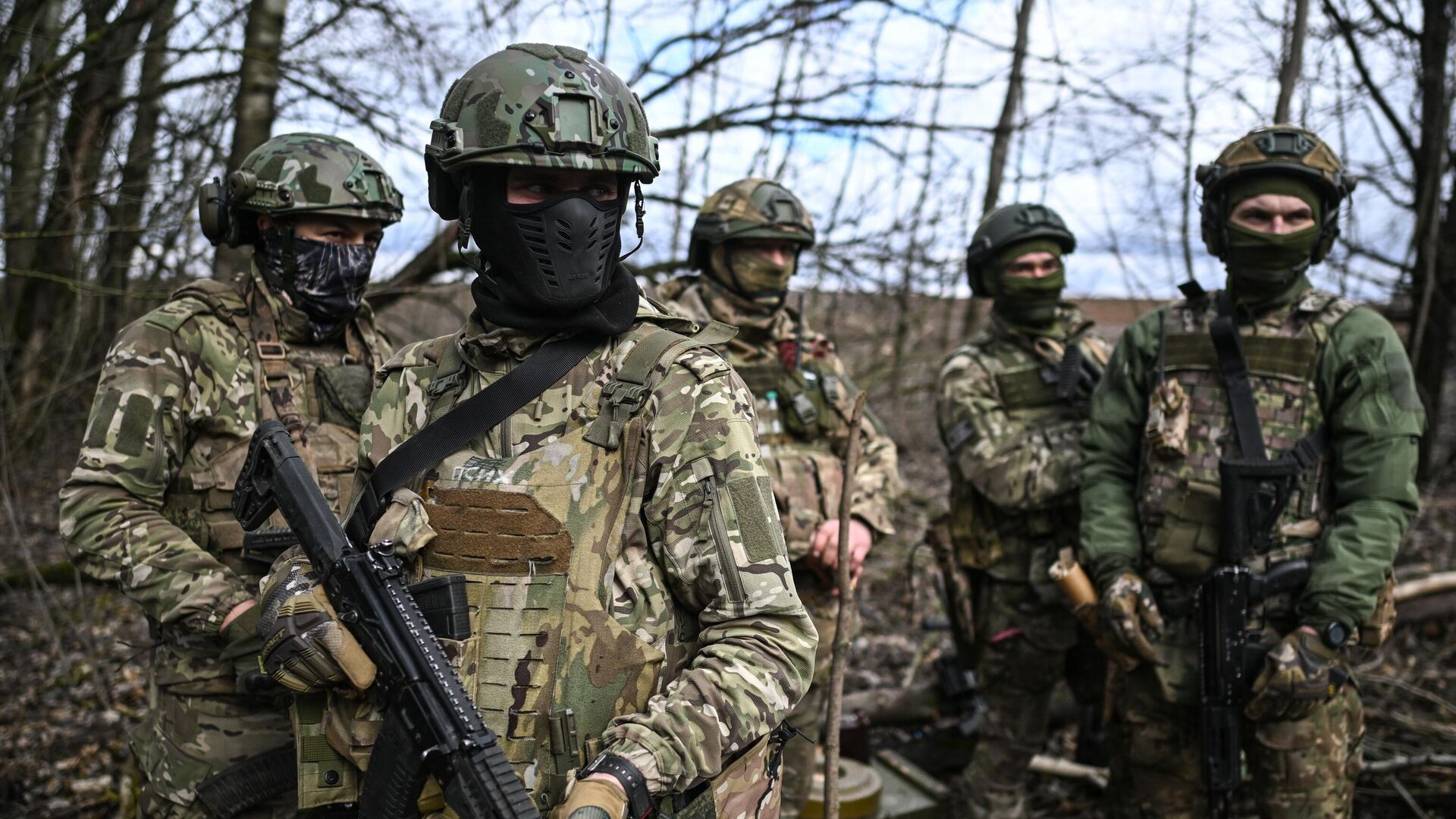
The decision by the Armenian authorities to reduce the term of compulsory military service from 24 to 18 months has become one of the most widely discussed elements of the current defense reform. The government presents this step as part of a transition toward a more professional, motivated, and technologically advanced army. However, within expert and political circles, the reform has provoked mixed reactions – ranging from cautious support to sharp criticism linked to concerns about a potential decline in defense capability amid an unstable regional security environment.
According to the legislation of the Republic of Armenia, military service is organized in the following forms:
- compulsory conscription service;
- contract-based service for enlisted personnel, sergeants, and non-commissioned officers;
- officer service by conscription or contract;
- military education for pre-draft-age citizens in military educational institutions.
Traditionally, the term of compulsory military service for conscripts was 24 months, with the possibility of extension by up to two months in exceptional cases. Under the current reform, however, a decision was made to reduce this term to 18 months, starting with the winter draft of 2025. These changes do not have retroactive effect: servicemen already in service will continue to serve the full 24 months.
Contract service is available to both men and women within established age limits, provided they meet health requirements, have no criminal record, and comply with mandatory service regulations. The law also clearly regulates age limits for contract service, the duration of initial and subsequent contracts, as well as the grounds for their extension or termination.
The reduction in the length of compulsory service has been made possible primarily through the expansion of the contract-based segment of the armed forces. Depending on the category of serviceman, the first contract is concluded for a period of two to five years, while for those studying in military educational institutions it covers a longer period that includes both education and subsequent service.
The reform also affects the personnel management system. Appointments and promotions are carried out based on professional qualifications, level of education, health status, and attestation results. Attestation of contract servicemen is conducted at least once every three years and serves as a tool to assess both suitability for the current position and potential for further career advancement. This approach creates a more transparent and formalized promotion system focused not only on length of service but also on actual competencies.
Contract servicemen are included in the unified state remuneration system. Their income consists of a base salary determined by rank, length of service, and position group, as well as numerous bonuses for special service conditions, including combat duty, border service, deployment in high-altitude areas, and the performance of hazardous or harmful tasks.
In addition to monetary compensation, legislation provides a wide range of social guarantees: service housing or rent compensation, medical care and rehabilitation, sanatorium and resort treatment, one-time financial assistance upon discharge, as well as special benefits for the families of fallen servicemen and disabled veterans. These measures are intended to increase the attractiveness of military service as a long-term professional career.
The reduction in the term of compulsory service is part of a broader package of defense reforms that includes the introduction of an attestation system, a revision of budget priorities, and efforts to make the armed forces more professional and technologically advanced. Government representatives also link the reform to a peace-oriented agenda and the need to reduce the social burden on society.

Many military analysts agree that the length of service alone does not determine an army’s combat effectiveness. Key factors include the intensity of training, the quality of command, technological capabilities, and the motivation of personnel. From this perspective, shortening the service term may have positive effects, including reduced draft evasion and lower emigration sentiment among young people.
At the same time, experts emphasize serious risks. The primary concern is a potential short-term personnel shortage if the expansion of contract service fails to compensate for the reduction in the conscription pool. Additional doubts arise from the reduction of the defense budget against the backdrop of active military spending growth in neighboring countries.
The experiences of Azerbaijan, Turkey, and Iran demonstrate alternative approaches to military reform. These countries either focus on increasing defense spending and modernizing weaponry or on professionalization without reducing overall troop numbers. Against this background, the Armenian model appears more risky, as it combines a shorter service term with limited financial resources.
The reduction of mandatory military service in Armenia is a logical and modern step toward the transition to a professional army. It has the potential to reduce draft evasion, ease the social burden, and increase servicemen’s motivation.
However, the success of this reform directly depends on accompanying measures: the pace of contract service expansion, the quality of training, the modernization of the armed forces, and adequate defense funding. Without a systemic approach, shortening the service term may lead to reduced staffing levels and increased security vulnerabilities. Thus, this reform represents a strategic bet by the state: if implemented consistently, it may become an advantage; without comprehensive changes, it could turn into a serious challenge to the country’s defense capability.
Аналитик,
Мариана Шафразян


 Latest news
Bulgaria Asks NATO to Strengthen Its Defences Amid Black Sea Threats: Sofia Fears Growing Risks to Maritime Shipping
16.Oct.2026
Black Sea Shipping Risks Threaten Bulgaria’s 5 Million Tonnes of Wheat Exports
15.Oct.2026
Georgia’s Foreign Funding and Political Ban Laws Draw Criticism from the Venice Commission
15.Oct.2026
Kazakhstan Promotes a Caspian Green Energy Corridor: Astana Seeks New Routes to the European Market
14.Oct.2026
Inflation in Romania Accelerates to 6.61%: Rising Prices Increase Pressure on Households and the Economy
13.Oct.2026
Can Europe Protect the International Criminal Court from Trump’s Sanctions?
13.Oct.2026
Georgia’s Constitutional Court Continues Case on Banning Opposition Parties: Political Pluralism at Stake
12.Oct.2026
Azerbaijan and Iran Step Up Security Contacts Amid Hijab Protests
12.Oct.2026
Personnel Shortages Complicate Ukrainian Forces’ Rotation: Ukraine Faces Long-Term Challenges on the Front Line
11.Oct.2026
Trump Eases Sanctions on Russian Fuel After Talks with Putin: Kyiv Fears Boost to Moscow’s War Revenues
10.Oct.2026
Putin Seeks to Strengthen Russia’s Influence in the Post-Soviet Space Through the CIS
10.Oct.2026
Russia and the South Caucasus: External Pressure, Political Competition and a Crisis of Trust
10.Oct.2026
Peaceful Settlement Between Armenia and Azerbaijan: Moving from Declarations to Implementation
10.Oct.2026
Moldova Ready to Accept as Many Ukrainians as Necessary if Situation Worsens This Winter
09.Oct.2026
Turkmenistan Turns Avaza into a Regional Diplomatic Hub as Caspian, Central Asian and CIS Agendas Converge
08.Oct.2026