
 17 Oct 2026









A Winged Shadow Over the World: Why Russia Showcased Its New Nuclear Missile Project?
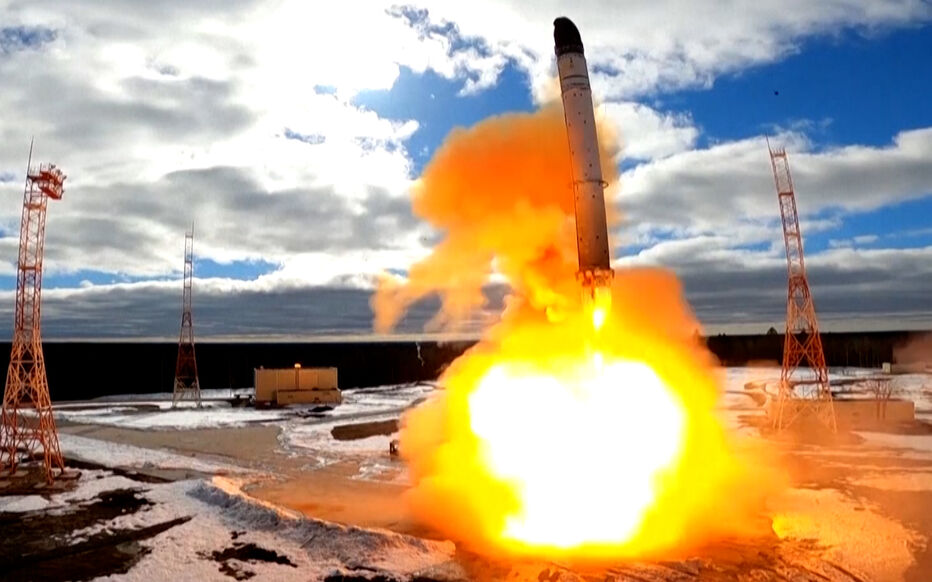
Russia has announced the successful test of a nuclear-powered cruise missile, the 9M730 Burevestnik (NATO code: SSC-X-9 Skyfall). According to the Chief of the General Staff of the Russian Armed Forces, Valery Gerasimov, the missile flew about 14 000 kilometers and remained airborne for approximately 15 hours.
President Vladimir Putin emphasized that it is a “unique weapon that no one else in the world possesses”.

The timing of this announcement is significant – it comes amid the ongoing war in Ukraine and growing pressure from the United States on Russia. Moscow is demonstrating that it remains a formidable nuclear power. By unveiling new weaponry, the Kremlin also reinforces its image of strength and independence – a theme crucial for domestic audiences. The claim that the missile can “penetrate any defense” places a challenge before Western military structures and potential adversaries alike.
Even if the system is not yet ready for mass deployment, the mere fact of its existence increases tension in the realm of strategic weaponry. The United States and its allies may respond by boosting missile defense programs or adapting their military strategies to counter the new threat – potentially fueling a new arms race.
On the other hand, a nuclear propulsion system requires vast resources, infrastructure, and strict safety measures. It may take years before the missile achieves full operational readiness. The reported data – 14 000 km of range and 15 hours of flight – are impressive, but so far lack independent verification. This means that the claimed features could be exaggerated (“unlimited range”, “unpredictable trajectory”).
For Eastern Europe, the Baltic states, Scandinavia, and NATO as a whole, this serves as a signal: Russia wants to remind the world of its nuclear potential. Moscow is seeking to restore its status as a superpower – not only through nuclear capabilities but also through technological prestige.
Most likely, the system is still far from combat readiness, yet its announcement serves a political and psychological purpose. Russia is changing the rules of the game: even if the enemy never sees the missile in action, the mere belief in its existence affects strategic calculations.
It is also worth noting that such statements may provoke counteraction. If the West perceives this as a threat, it may accelerate the deployment of new defense – or even offensive – systems. This, in turn, raises the risk of unintended escalation.


 Latest news
Bulgaria Asks NATO to Strengthen Its Defences Amid Black Sea Threats: Sofia Fears Growing Risks to Maritime Shipping
16.Oct.2026
Black Sea Shipping Risks Threaten Bulgaria’s 5 Million Tonnes of Wheat Exports
15.Oct.2026
Georgia’s Foreign Funding and Political Ban Laws Draw Criticism from the Venice Commission
15.Oct.2026
Kazakhstan Promotes a Caspian Green Energy Corridor: Astana Seeks New Routes to the European Market
14.Oct.2026
Inflation in Romania Accelerates to 6.61%: Rising Prices Increase Pressure on Households and the Economy
13.Oct.2026
Can Europe Protect the International Criminal Court from Trump’s Sanctions?
13.Oct.2026
Georgia’s Constitutional Court Continues Case on Banning Opposition Parties: Political Pluralism at Stake
12.Oct.2026
Azerbaijan and Iran Step Up Security Contacts Amid Hijab Protests
12.Oct.2026
Personnel Shortages Complicate Ukrainian Forces’ Rotation: Ukraine Faces Long-Term Challenges on the Front Line
11.Oct.2026
Trump Eases Sanctions on Russian Fuel After Talks with Putin: Kyiv Fears Boost to Moscow’s War Revenues
10.Oct.2026
Putin Seeks to Strengthen Russia’s Influence in the Post-Soviet Space Through the CIS
10.Oct.2026
Russia and the South Caucasus: External Pressure, Political Competition and a Crisis of Trust
10.Oct.2026
Peaceful Settlement Between Armenia and Azerbaijan: Moving from Declarations to Implementation
10.Oct.2026
Moldova Ready to Accept as Many Ukrainians as Necessary if Situation Worsens This Winter
09.Oct.2026
Turkmenistan Turns Avaza into a Regional Diplomatic Hub as Caspian, Central Asian and CIS Agendas Converge
08.Oct.2026