
 27 May 2026









Equal Opportunity and Capability: Many supporters of women in combat roles argue that women can and have performed at the same level as men in combat situations. With rigorous training, women can meet the same physical and mental standards required for combat. The argument is that gender should not be a barrier to opportunity.
Combat Experience: There are countless examples of women who have demonstrated extraordinary valor and leadership in combat. The most notable example is Army Colonel Martha McSally, the first female fighter pilot to fly in combat for the U.S. Air Force.
Operational Readiness: The ability to draw from the widest talent pool available enhances overall military effectiveness. Removing gender barriers ensures the military recruits the best-qualified individuals, regardless of sex.
Diversity and Team Dynamics: Increasing diversity in combat roles contributes to better decision-making, teamwork, and innovation. Gender diversity is seen as enhancing a military unit's overall cohesion and effectiveness.
Arguments Against Women in Combat:
Physical Demands: Critics like Hegseth argue that the physical differences between men and women (such as muscle mass, endurance, and physical strength) mean that women are less suited for certain combat tasks. Some claim that the nature of combat demands physical capabilities that, on average, women may not be able to meet.
Cohesion and Readiness: There are concerns that mixed-gender units might face issues related to unit cohesion and morale. Critics argue that traditional gender roles and physical disparities could lead to tension or disruption, potentially undermining military effectiveness.
Risk of Injury: Some opponents of women in combat roles worry that women are more vulnerable to injuries due to the physical intensity of combat environments. Others raise concerns about the added risk of sexual harassment or assault in high-stress situations.
Thousands of Women Serve in Combat Roles. Pentagon Nominee Hegseth Says They Shouldn’t
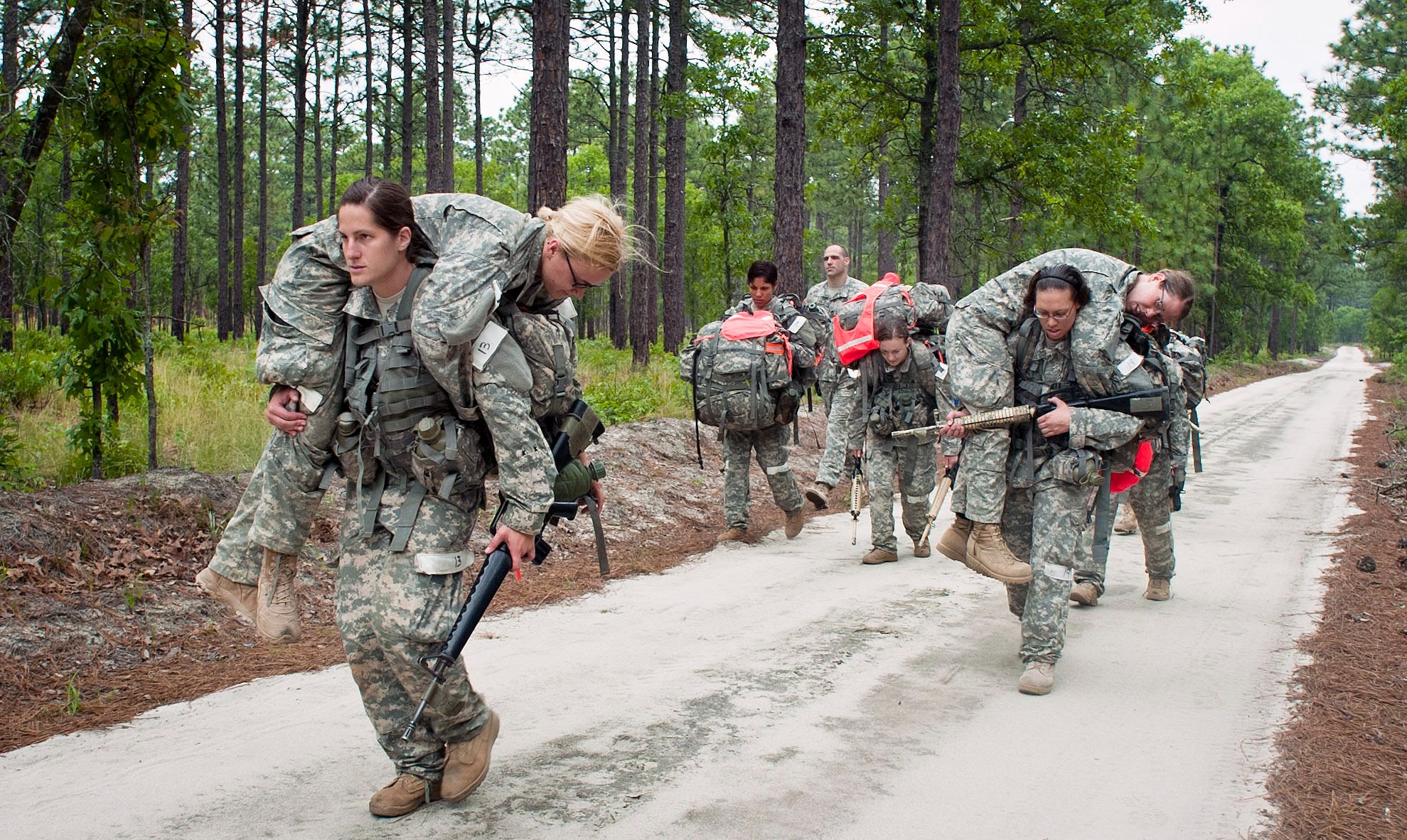
The statement made by Pete Hegseth, a Pentagon nominee, that women should not serve in combat roles has sparked considerable controversy. This debate touches on issues of military readiness, gender equality, and the evolving role of women in the armed forces.
Women have been officially serving in combat roles in the U.S. military since 2013, when the Department of Defense lifted restrictions on women in combat positions. Over the past decade, thousands of women have taken on roles in infantry, artillery, and other direct combat fields. Female service members have proven their capability in a range of combat environments, from the frontlines in Iraq and Afghanistan to high-stakes operations in various military engagements.
Pete Hegseth, a former Army officer and outspoken conservative commentator, has expressed his opinion that women should not serve in direct combat roles. His position is likely shaped by his belief in traditional gender roles and concerns about the physical demands of combat. Hegseth has made similar statements in the past, emphasizing that men and women are inherently different in ways that may impact their effectiveness in extreme combat situations.
Arguments for Women in Combat:
In practice, the integration of women into combat roles has already occurred in many parts of the U.S. military. There have been no major incidents that suggest women are not capable of serving effectively in combat. Indeed, women have served in direct combat in previous conflicts, often under dangerous conditions, and have demonstrated remarkable resilience.
The debate over whether women should serve in combat roles is ongoing, with strong arguments on both sides. However, the reality is that many women have already demonstrated their capability in combat situations, and most military leaders argue that the focus should be on ensuring that all service members—regardless of gender—meet the necessary standards for combat roles. As society continues to evolve, so too does the role of women in the military, and the Pentagon's future leadership will likely continue to address and refine policies related to gender equality in combat.
The statements made by Hegseth and other critics reflect broader cultural discussions about gender, roles, and equality. However, the military’s commitment to performance standards, rather than gender, may ultimately guide the direction of policy on this issue.


 Latest news
Military Parade as a Manifesto: What Armenia Wants to Tell the World on May 28
25.May.2026
The War in Ukraine: The Russian Army is Already Running Out of Steam
25.May.2026
Railway Breakthrough: Armenia Integrates into the Akhalkalaki–Kars Route
24.May.2026
Tbilisi on the Eve of May 26: Independence Day Turns Into a Day of Political Struggle
24.May.2026
The US and Iran Continue Negotiations on a Possible Agreement and Extension of the Ceasefire
23.May.2026
The United States Suspends Participation in Ukraine Negotiations
22.May.2026
Azerbaijan and Georgia Strengthen Strategic Partnership with New Package of Agreements Signed
21.May.2026
Russia and China Strengthen Coordination on Key International Issues
20.May.2026
Beijing’s Hidden Role: Chinese Military Training for Russian Forces Revealed
19.May.2026
Pakistan Delivers Iran’s Revised Proposal to the US to End the War
18.May.2026