
 27 May 2026









Starlink at War: How SpaceX Secured Higher Prices from the Pentagon During the Iran Campaign
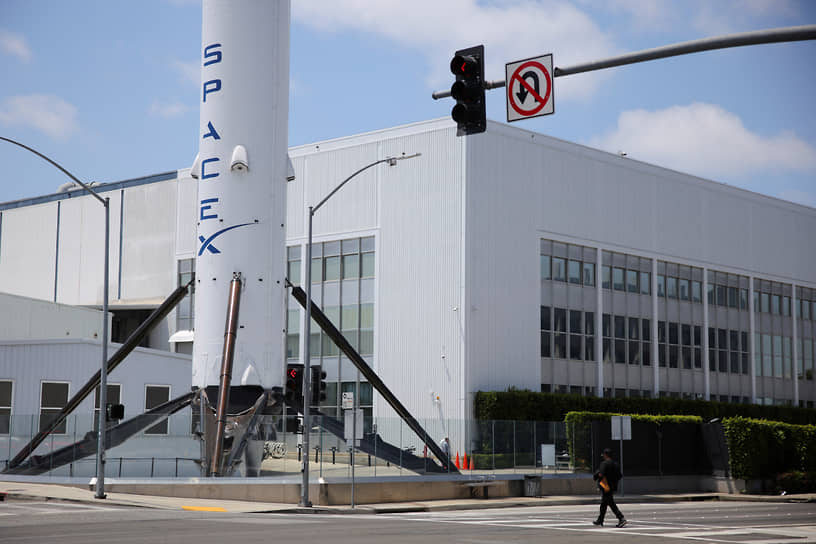
During the USA military campaign against Iran, a sharp dispute erupted between the Pentagon and SpaceX over the cost of Starlink satellite communications, which became a key element of American operations in the Middle East. According to Reuters, SpaceX demanded that the U.S. Department of Defense significantly increase payments for the use of the Starlink network in combat conditions, arguing that the military was effectively using a more expensive and secure level of service than had been covered under previous contracts.
The issue primarily concerned the use of LUCAS drones, which were actively deployed by American forces during strikes on Iranian infrastructure and military facilities. These drones were integrated with the Starlink satellite system, providing stable communications and navigation even under conditions of electronic warfare and disruption of traditional communication channels. According to Reuters, SpaceX insisted on raising the monthly servicing cost of a single terminal from approximately $5,000 to $25,000. As a result, the Pentagon was forced to accept the new terms, which nearly doubled the operational cost of certain strike systems.
The situation demonstrated how critically dependent the U.S. military has become on Elon Musk’s infrastructure. Amid the war, Starlink proved to be one of the few systems capable of ensuring uninterrupted communications during large-scale attacks, internet outages, and electronic warfare operations. At the same time, the Pentagon effectively has no alternatives comparable in coverage scale and deployment speed.
Additional tensions reportedly emerged around Washington’s plans to provide internet access to Iranian civilians during widespread communication blackouts. SpaceX discussed a separate initiative with U.S. authorities aimed at expanding Starlink access inside Iran. The company reportedly estimated the deployment cost of such a system at around $500 million, with maintenance expenses reaching another $100 million per month.
The war with Iran is already having a major impact on the global economy and international security. The conflict has contributed to rising oil prices, growing threats to shipping routes in the Strait of Hormuz, and widespread disruptions to internet infrastructure across the Middle East. Against this backdrop, the strategic importance of satellite communication systems such as Starlink continues to grow.
Experts say the conflict has become an important precedent for the entire global defense industry. Private technology corporations are gaining increasing influence over the conduct of modern warfare, while governments are becoming dependent on commercial platforms capable of dictating their own financial terms. In the case of SpaceX, the company’s leverage is further strengthened by the fact that it controls the world’s largest satellite constellation. Reuters estimates that Starlink accounts for more than 60% of all active satellites currently in orbit.
Military analysts believe the dispute between the Pentagon and SpaceX could push Washington to accelerate the development of alternative satellite communication systems and reduce dependence on a single supplier. In the short term, however, the United States remains deeply reliant on Elon Musk’s technologies, particularly in high-intensity conflicts where resilient communications have become one of the key factors determining operational success.


 Latest news
Military Parade as a Manifesto: What Armenia Wants to Tell the World on May 28
25.May.2026
The War in Ukraine: The Russian Army is Already Running Out of Steam
25.May.2026
Railway Breakthrough: Armenia Integrates into the Akhalkalaki–Kars Route
24.May.2026
Tbilisi on the Eve of May 26: Independence Day Turns Into a Day of Political Struggle
24.May.2026
The US and Iran Continue Negotiations on a Possible Agreement and Extension of the Ceasefire
23.May.2026
The United States Suspends Participation in Ukraine Negotiations
22.May.2026
Azerbaijan and Georgia Strengthen Strategic Partnership with New Package of Agreements Signed
21.May.2026
Russia and China Strengthen Coordination on Key International Issues
20.May.2026
Beijing’s Hidden Role: Chinese Military Training for Russian Forces Revealed
19.May.2026
Pakistan Delivers Iran’s Revised Proposal to the US to End the War
18.May.2026