
 27 May 2026









Military Escalation: From "Sindoor" to Aerial Combat
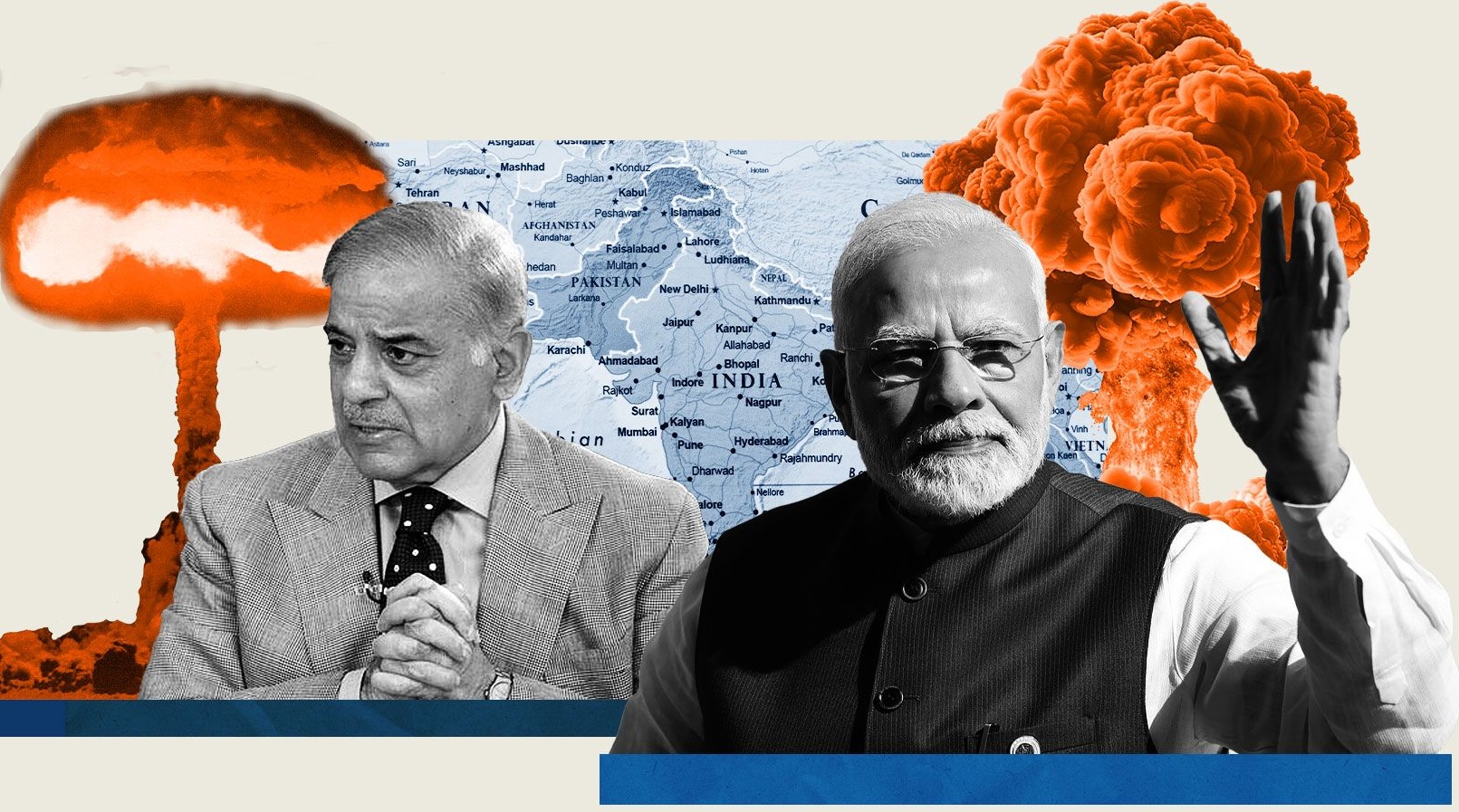
In May 2025, India and Pakistan found themselves on the brink of full-scale war — the most serious escalation since 1999. The conflict began after a terrorist attack in Pahalgam on April 22, in which 26 tourists were killed, including 25 Indian citizens and one Nepali national. The attack was claimed by the group "The Resistance Front," but India accused Pakistan of supporting the terrorists — a claim Islamabad categorically denies.
On May 7, India launched Operation "Sindoor," carrying out 14 missile strikes on alleged bases of the groups Jaish-e-Mohammed and Lashkar-e-Taiba in Pakistan and Pakistan-administered Kashmir. SCALP missiles, AASM Hammer bombs, and SkyStriker kamikaze drones were used. Indian authorities stated that the strikes were “surgical and non-escalatory” and did not target Pakistani military assets.
In response, Pakistan launched missile and drone attacks on Indian cities, including Amritsar. India, for the first time, deployed its S-400 air defense system to intercept the strikes. In aerial battles on May 7, several aircraft were shot down on both sides, including an Indian Rafale fighter jet — the first combat loss of this aircraft type.
Indian Prime Minister Narendra Modi is using the conflict to bolster his image as a strong leader, especially amid domestic political challenges. In Pakistan, General Asim Munir, who has led the army since 2022, has been granted broad powers to conduct military operations and is consolidating his influence in a country where the military traditionally plays a key political role.
The UN, Russia, and China have called on both sides to exercise restraint and pursue peaceful dialogue. However, diplomatic efforts have yet to yield de-escalation. Pakistan has temporarily closed its airspace, while India has suspended the 1960 Indus Waters Treaty, which could lead to humanitarian consequences in the region.
Economic consequences are already being felt: investors are alarmed by the instability in one of the world’s fastest-growing regions, and energy markets are reacting to potential disruptions in supply.
Both countries possess nuclear weapons and officially adhere to a "no first use" policy. However, experts warn that further escalation could have catastrophic consequences. Estimates suggest that a nuclear conflict between India and Pakistan could result in up to 125 million deaths.
The current conflict between India and Pakistan is a dangerous mix of nationalism, historical grievances, and geopolitical ambition. Without immediate intervention and diplomatic efforts, the situation could spiral out of control, with unpredictable consequences for the entire region and the world.
Singh Bhagat
Military Expert, Researcher


 Latest news
Military Parade as a Manifesto: What Armenia Wants to Tell the World on May 28
25.May.2026
The War in Ukraine: The Russian Army is Already Running Out of Steam
25.May.2026
Railway Breakthrough: Armenia Integrates into the Akhalkalaki–Kars Route
24.May.2026
Tbilisi on the Eve of May 26: Independence Day Turns Into a Day of Political Struggle
24.May.2026
The US and Iran Continue Negotiations on a Possible Agreement and Extension of the Ceasefire
23.May.2026
The United States Suspends Participation in Ukraine Negotiations
22.May.2026
Azerbaijan and Georgia Strengthen Strategic Partnership with New Package of Agreements Signed
21.May.2026
Russia and China Strengthen Coordination on Key International Issues
20.May.2026
Beijing’s Hidden Role: Chinese Military Training for Russian Forces Revealed
19.May.2026
Pakistan Delivers Iran’s Revised Proposal to the US to End the War
18.May.2026