
 24 Nov 2026









Europe’s Gas Market Faces Renewed Pressure Ahead of the Winter Season
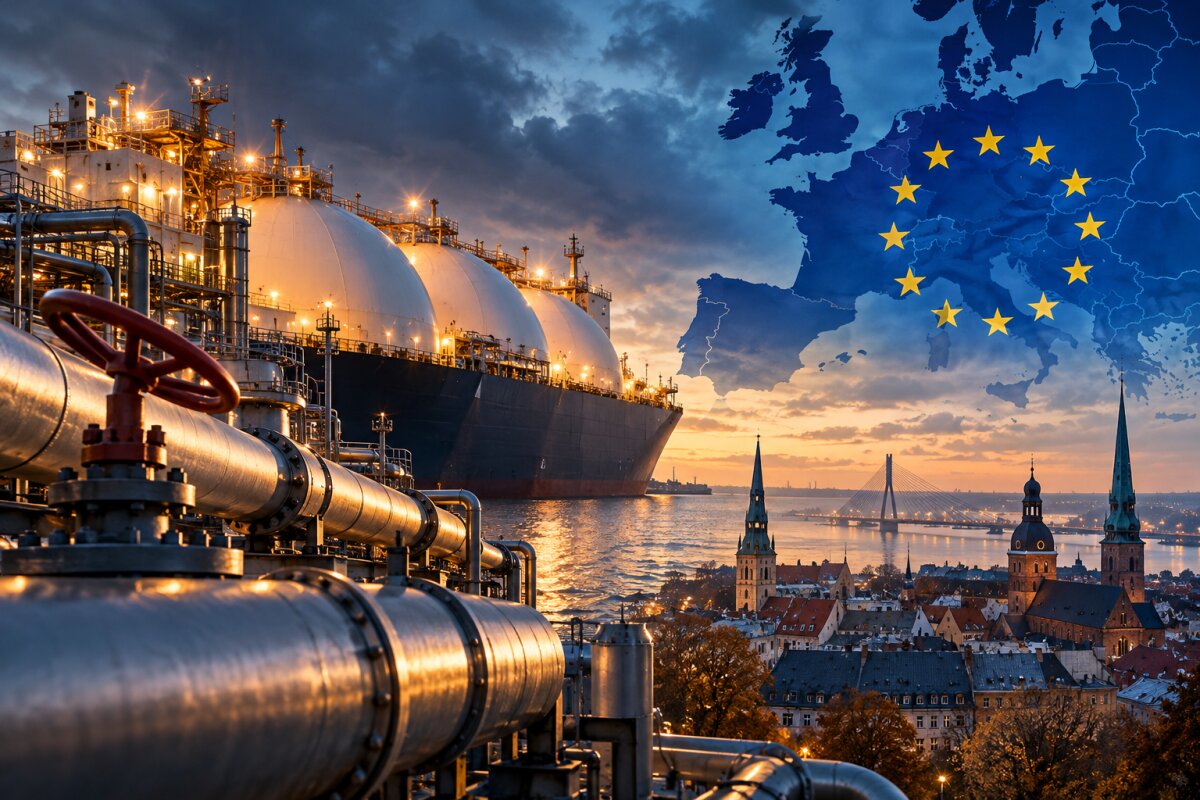
Europe’s gas market is entering the winter season amid reduced availability of liquefied natural gas (LNG), relatively low underground storage levels and intensifying competition with Asian importers. Rising prices are increasing risks for European industry and households, once again raising questions about the resilience of the EU’s energy model.
On October 26, European wholesale natural gas prices reached their highest levels since December 2022. Front-month futures at the Dutch TTF hub, the main pricing benchmark for the European gas market, climbed to approximately €97.50 per megawatt-hour during trading. The surge reflects growing concerns about the adequacy of supplies in the coming winter months.
Market dynamics are being influenced by colder weather forecasts, disruptions to LNG supplies from the Middle East and the need to compete with Asian buyers for available cargoes. Additional pressure is coming from relatively low gas storage levels ahead of the heating season.
According to Gas Infrastructure Europe, EU gas storage facilities were approximately 74.6% full as of October 25. This is significantly below seasonal levels recorded in previous years, limiting European countries’ ability to offset prolonged import disruptions using accumulated reserves.
The Middle East Adds to Uncertainty in the Gas Market
One of the key factors driving prices higher is the disruption of liquefied natural gas supplies from the Persian Gulf amid the war with Iran. Restrictions on shipping through the Strait of Hormuz are complicating export operations by Qatar and the United Arab Emirates, both of which play significant roles in the global LNG market.
Reduced availability of Middle Eastern supplies is intensifying competition between Europe and Asia for alternative sources of gas. With supply constrained, European importers must consider not only their own requirements but also the willingness of Asian buyers to offer higher prices for available cargoes.
This situation highlights the vulnerability of Europe’s energy market to geopolitical shocks beyond the continent. Despite its developed LNG import infrastructure and diversified supply sources, Europe remains dependent on the stability of international maritime routes.
The restoration of supplies from the Persian Gulf will be crucial to stabilizing the market. If disruptions persist, European countries may have to compete more aggressively for fuel from other regions, potentially sustaining upward pressure on prices.
Low Storage Levels Increase Risks Ahead of Winter
Gas storage facilities being 74.6% full does not, in itself, indicate an inevitable fuel shortage. However, relatively limited reserves reduce the European energy system’s margin of safety in the event of prolonged cold weather, increased consumption or further import disruptions.
Weather conditions in November and the following months will be particularly important. Lower temperatures could accelerate withdrawals from storage facilities, while constrained LNG supplies could make it more difficult to replenish reserves quickly.
Another challenge is the uneven position of EU member states. Differences in accumulated reserves, access to LNG terminals, pipeline capacity and import capabilities create varying conditions for securing national energy supplies.
Consequently, the EU-wide storage figure does not fully reflect the situation in individual countries. Assessing the actual risks requires consideration of how reserves are distributed, the availability of cross-border supplies and the capacity of infrastructure to meet peak demand.
Consequences for Industry and Households
A sustained increase in wholesale gas prices could raise costs for businesses that use natural gas as a fuel or industrial feedstock. Energy-intensive sectors, including chemicals, fertilizer production, metallurgy and certain segments of the construction industry, remain particularly exposed.
Higher gas prices could also affect electricity prices, as gas-fired power plants continue to play an important role in balancing electricity systems in several European countries. The scale of the impact will depend on the generation mix, long-term contracts, pricing mechanisms and companies’ ability to pass additional costs on to consumers.
Nevertheless, the current price surge does not automatically mean Europe is returning to the energy crisis of 2022. The actual consequences will depend on the duration of supply disruptions, winter temperatures, global demand and the ability of European countries to secure additional supplies.
The current situation demonstrates that diversifying energy sources does not eliminate geopolitical risks; rather, it changes their nature. Reduced dependence on certain pipeline suppliers has increased the importance of the global LNG market, where European consumers compete directly with Asian economies for available volumes of fuel.
As a result, the EU’s energy security increasingly depends on three factors: the stability of maritime routes, the availability of alternative supplies and the adequacy of domestic reserves. Disruption to any one of these elements can increase price volatility and raise the cost of securing energy supplies.
Rising gas prices underscore that Europe’s energy resilience depends not only on the volume of stored reserves but also on its ability to secure fuel amid geopolitical shocks. If disruptions to supplies from the Persian Gulf persist and winter demand remains high, pressure on European markets could continue well into the heating season.


 Latest news
EU Presents 22nd Sanctions Package Against Russia: Restrictions to Target Banks, Shadow Fleet and Participation in European Sports
24.Nov.2026
Two Commercial Vessels Attacked in the Black Sea off Bulgaria
23.Nov.2026
EU Allocates Another €1 Billion to Ukraine: European Military Support Takes on a Long-Term Dimension
22.Nov.2026
Europe Prepares a Military Mission for Ukraine: 2800 Troops Rehearse Post-War Deployment Scenarios
21.Nov.2026
Russian Missiles and a Drone Fall on Polish Territory: NATO Faces New Threats on Its Eastern Flank
21.Nov.2026
Russia Strikes Kyiv Bridges Following Ukraine’s Attack on the Crimean Bridge: Transport Infrastructure Becomes a New Front in the Escalation
20.Nov.2026
The "Coalition of the Willing" Discusses Security Guarantees and Continued Support for Kyiv
19.Nov.2026
Tanker Sinks off Bulgaria After Being Hit Four Times: All 19 Crew Members Rescued
18.Nov.2026
Europe Accelerates Defence Integration: EU Identifies 8 Priorities for Joint Weapons Development
17.Nov.2026
Bulgaria and North Macedonia Plan to Begin Construction of New Border Crossing in October 2027
17.Nov.2026
Central Asia Accelerates Digitalisation of the Trans-Caspian Transport Corridor
16.Nov.2026
Bulgaria, Romania and Turkiye Deploy Naval Assets in BETUL 8 Rescue Operation
16.Nov.2026
Armenia Becomes the EU’s Leading Partner in the South Caucasus: Georgia Loses Influence in Europe’s Regional Strategy
15.Nov.2026
Ukraine Expands Its Campaign Against Russia’s Strategic Infrastructure
15.Nov.2026
Defence Partnerships without a Common Strategy? Turkiye Expands Military Ties with Qatar, Saudi Arabia and Pakistan
14.Nov.2026